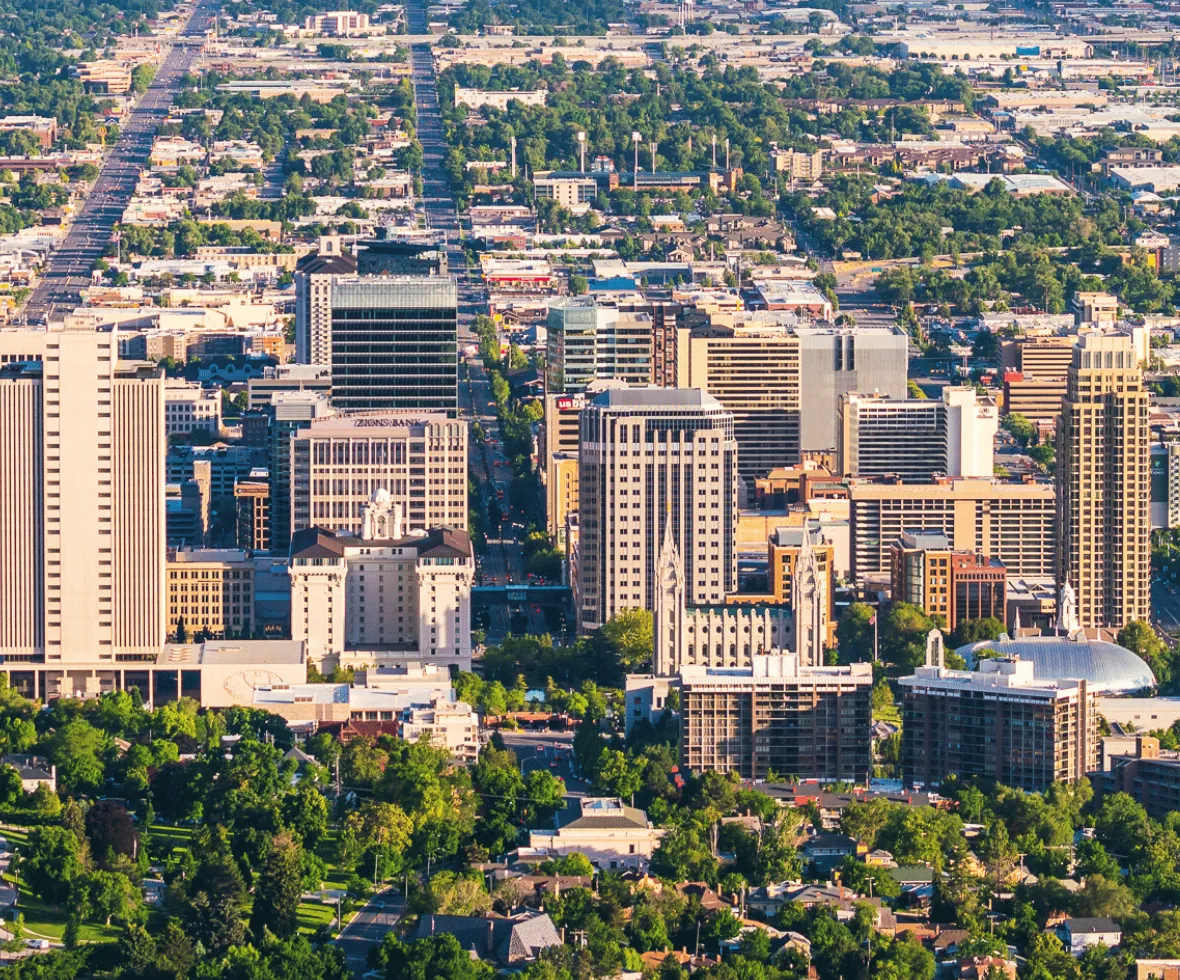
Relocation · Salt Lake City
Moving to Salt Lake City
A practical relocation guide to Salt Lake City — neighborhoods, lifestyle, commute considerations, and buyer tips for relocators.
Salt Lake City relocation planning starts with the daily life you intend to have: work locations, routes, housing type, outdoor access, schools or care needs, and travel. Candidate neighborhoods can feel very different once those details are tested in person.
The framework below identifies practical checks for choosing an area and timing a purchase.
What to Know Before You Move
Salt Lake City rewards relocators who invest in area education before any property decision. The city's submarkets behave differently, and the wrong neighborhood fit is the most consequential relocation mistake.
Housing and Lifestyle
For each address, review current listing and comparable evidence, property condition, insurance and utility estimates, association obligations, and the routes that will shape your week. Do not treat a neighborhood label or citywide median as a substitute for that property-level review.
Salt Lake City offers varied urban, historic, and foothill residential settings. Compare current listings, property condition, service access, and actual routes for the addresses under consideration.
Commute and Convenience
Salt Lake City offers varied urban, historic, and foothill residential settings. Compare current listings, property condition, service access, and actual routes for the addresses under consideration.
Visit candidate areas at the times you will use them. Test groceries, healthcare, recreation, parking, and errands instead of assuming that a service shown on a map is convenient for your household.
Buyer Tips for Relocating
Start with a written list of non-negotiables and tradeoffs, then use current listings and neighborhood visits to narrow the search. Virtual tours can screen properties, but an in-person visit should test condition, access, noise, light, and routes before a major commitment.
School-district considerations matter for families. Salt Lake City School District (the urban core) is meaningfully different from Granite, Canyons, Murray, and Park City districts (the surrounding suburbs). Specific elementary and high school boundaries shape submarket preferences for many family relocators.
How to Choose the Right Neighborhood
Neighborhood choice in Salt Lake City reflects lifestyle priorities more than headline price. Walkable urban-village (Sugar House, 9th & 9th, the Avenues), established estate (Federal Heights, Yalecrest), canyon-adjacent suburban (Holladay, Cottonwood Heights, Olympus Cove), and family-residential suburban (Millcreek, Sandy, Draper, Daybreak) each serve different daily-life patterns.
See Best Neighborhoods in Salt Lake City for a detailed comparison framework, or browse specific area guides like Living in Sugar House, Living in The Avenues, Living in Federal Heights, and Living in Holladay.
Discuss your specific relocation in a private intake conversation.
Common Questions
Moving to Salt Lake FAQ
- Is Salt Lake City a good place to live?
- It can be a good fit when its housing options, routes, services, climate, and access to the people and activities you value match your household. Visit candidate areas and review current property records; account for winter inversion air quality with Utah air-quality information.
- How should I choose a Salt Lake City neighborhood?
- Begin with recurring destinations, housing type, outdoor-space needs, condition tolerance, and budget. Visit the candidate areas, test the relevant routes, and compare actual properties and operating obligations for each address.
- What neighborhoods are best for relocating to Salt Lake City?
- Start with your recurring destinations, preferred home form, outdoor-space needs, condition tolerance, and budget. Compare actual homes in areas such as The Avenues, Sugar House, Federal Heights, Holladay, or Cottonwood Heights using the same route and property checks. See Best Neighborhoods in Salt Lake City.
- What is the weather like in Salt Lake City?
- Plan for winter snow and ice, warm summer weather, and periods when air quality affects outdoor activity. Conditions vary between the valley and higher elevations. Use the National Weather Service Salt Lake City office for forecasts and Utah air-quality information for current conditions instead of treating one annual average as an address-level forecast.
- What should I verify before making an offer?
- Review the property condition, comparable evidence, financing, insurance, utilities, association documents where applicable, title and seller disclosures, and the contract terms. Use the Utah state-approved real estate forms with qualified representation for the transaction.
Private Consultation
Start with a Conversation
Whether you’re buying, selling, relocating, or investing in Utah, Kamee offers a private, no-pressure conversation about your goals — and a working plan that fits.