Lifestyle · Salt Lake City
Living in Federal Heights
One of Salt Lake's most prestigious residential neighborhoods — substantial homes, mature trees, and a direct hillside position above the University of Utah and downtown.
Federal Heights is one of Salt Lake City's most prestigious residential neighborhoods — set on the hillside north and east of the University of Utah, with mature trees, substantial homes (many built in the 1920s through 1950s), and direct proximity to the city core, the University, and the canyons. It has long been a preferred address for physicians, U of U faculty and administrators, longtime Salt Lake families, and luxury buyers prioritizing established residential character.
This guide covers what daily life feels like in Federal Heights and what supports the neighborhood's enduring appeal. For the broader detail page, see Federal Heights.
Prestige, Character, and Proximity to the City Core
Housing Appeal
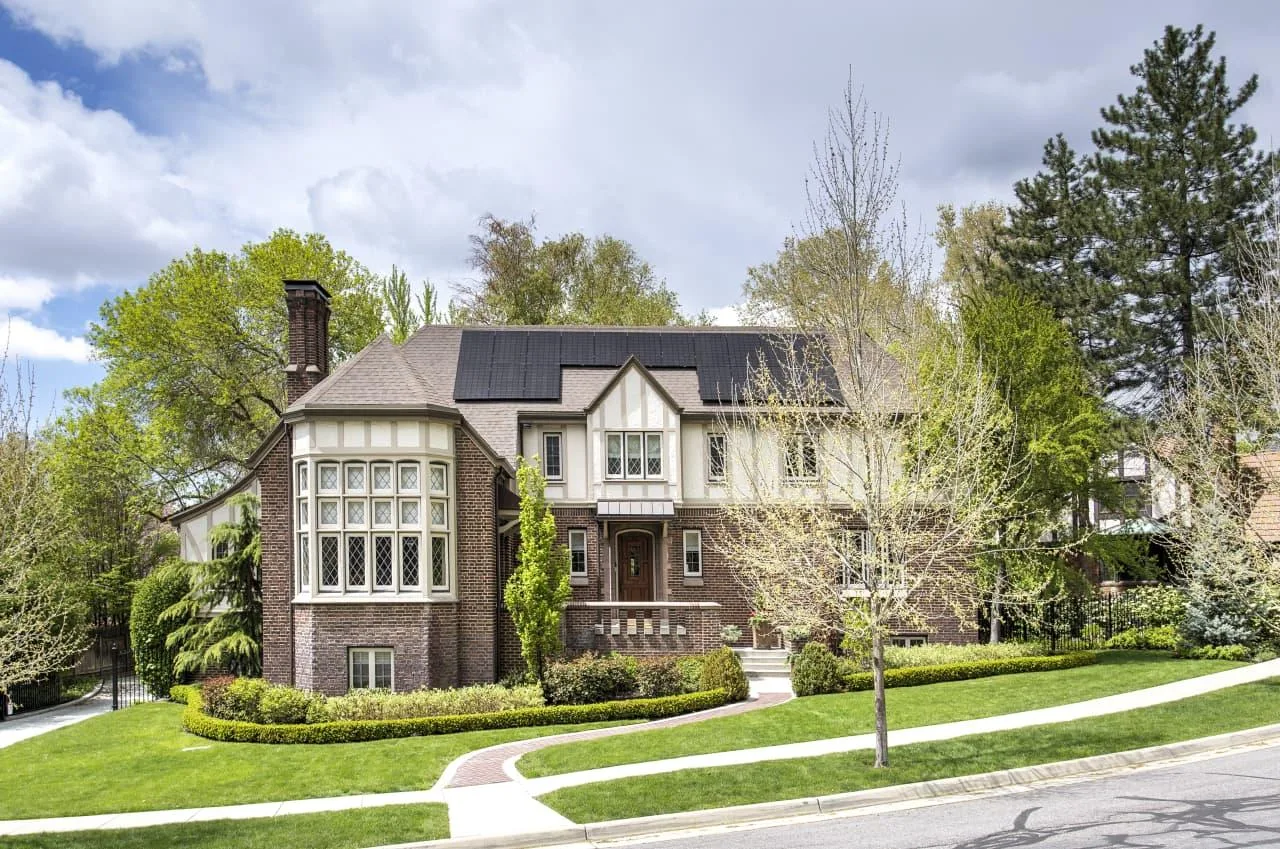
Federal Heights housing is defined by substantial, often architecturally significant homes on established residential streets. The most common periods are 1920s through 1950s — Tudor Revival, Colonial Revival, Mediterranean, and mid-century — with newer custom builds and major remodels filling in over time. Lots are typically larger than nearby Avenues or Harvard-Yale parcels, often with significant landscaping and mature trees.
Architectural character is a long-term value driver. The neighborhood's most-coveted streets — Yale Avenue, Harvard Avenue (the Yalecrest portion straddles the boundary), Federal Way, and the streets climbing toward Popperton Park — contain some of the strongest and most consistent single-family inventory in Salt Lake City.
Lifestyle Considerations
Federal Heights is near University of Utah institutions and foothill settings. Actual routes, access, and travel conditions vary by address and time.
The neighborhood's day-to-day rhythm is quiet and residential. Walking is common on the established streets, though daily-services retail is mostly served by nearby 15th & 15th, the Foothill area, or the Avenues. Schools, cultural institutions (Red Butte Garden, Natural History Museum of Utah), and outdoor recreation (Bonneville Shoreline Trail, This Is The Place Heritage Park) are all immediate.
Market Strength
Federal Heights consistently ranks among the strongest residential markets in Salt Lake City on a per-square-foot basis. The combination of architecturally significant inventory, established lot sizes, and U of U / Health Sciences employer proximity supports durable demand. Inventory turns infrequently — many Federal Heights homes are owned across decades, which keeps the supply at the upper end relatively thin.
For buyers, the practical implication is that strong Federal Heights properties often sell quickly when they come to market, and that strong representation matters more on this kind of inventory. For sellers, the neighborhood rewards thoughtful preparation and full curated marketing.
Why Buyers Seek Out Federal Heights
Federal Heights' appeal is rooted in a small number of consistent strengths: architectural character on established streets, direct U of U and downtown proximity, substantial homes with meaningful lots, mature trees, and a long-running residential reputation as one of Salt Lake City's most prestigious addresses. The neighborhood has aged remarkably well — the 1920s-1950s housing stock continues to be coveted, and new construction or substantial remodels are typically additive rather than disruptive.
For physicians, U of U faculty, longtime Salt Lake families, and luxury-tier buyers, Federal Heights is often the natural first choice in the Salt Lake City core. The neighborhood comparison most buyers run is against Holladay (more suburban and canyon-adjacent), Yalecrest (similar architectural character but smaller lots), or Cottonwood Heights (newer construction, more direct ski access). Federal Heights wins for buyers who prioritize the city-core position and the architectural character.
Browse Federal Heights, explore Living in Yalecrest, or reach out for a private intake conversation.
Common Questions
Living in Federal Heights FAQ
- Is Federal Heights a good place to live?
- Yes — Federal Heights is consistently considered one of the most prestigious and desirable residential neighborhoods in Salt Lake City. The combination of architecturally significant homes, established lot sizes, mature trees, direct University of Utah and downtown proximity, and a long-running residential reputation has supported durable demand for decades.
- What schools serve Federal Heights?
- Federal Heights is served by Salt Lake City School District. The elementary school is typically Indian Hills; middle school is Clayton Middle; high school is East High. Several Federal Heights buyers also use private school options, including Rowland Hall and the McGillis School.
- How close is Federal Heights to the University of Utah?
- Federal Heights is near University of Utah institutions and foothill settings. Actual routes, access, and travel conditions vary by address and time.
- What price range does Federal Heights typically run?
- Federal Heights includes houses that differ substantially in architecture, size, condition, and site constraints. Use current comparable sales and listings for the property type you are considering. Examine renovation quality, historic restrictions, lot usability, and major-system condition before interpreting a price difference as value.
- How does Federal Heights compare to Holladay?
- Federal Heights and Holladay both serve the upper end of the Salt Lake Valley residential market, but with different daily-life profiles. Federal Heights is closer to downtown, the U of U, and the airport — more city-core in feel, with a more architecturally significant housing stock from the 1920s-1950s. Holladay is more suburban, with larger lots, direct canyon access, and walkable Holladay Village.
Start with a Conversation
Whether you're buying, selling, or exploring a move to Federal Heights, Kamee provides a private, no-pressure conversation about your goals — and a working plan that fits.