Federal Heights — Salt Lake Valley neighborhood

Salt Lake Valley

Federal Heights

Salt Lake City’s Quietly Prestigious Foothill Enclave

Request a Tour

Federal Heights: Salt Lake City’s Quietly Prestigious Foothill Enclave

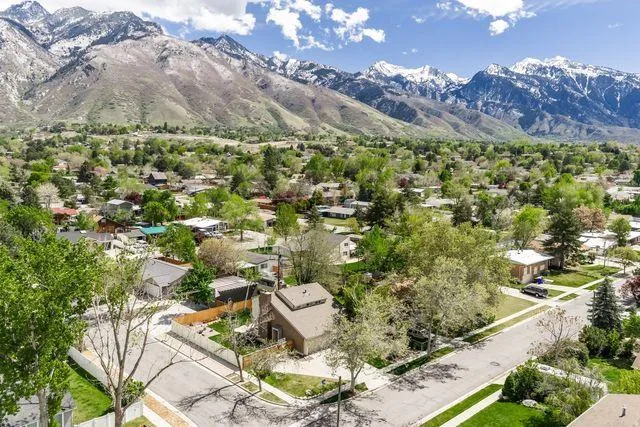
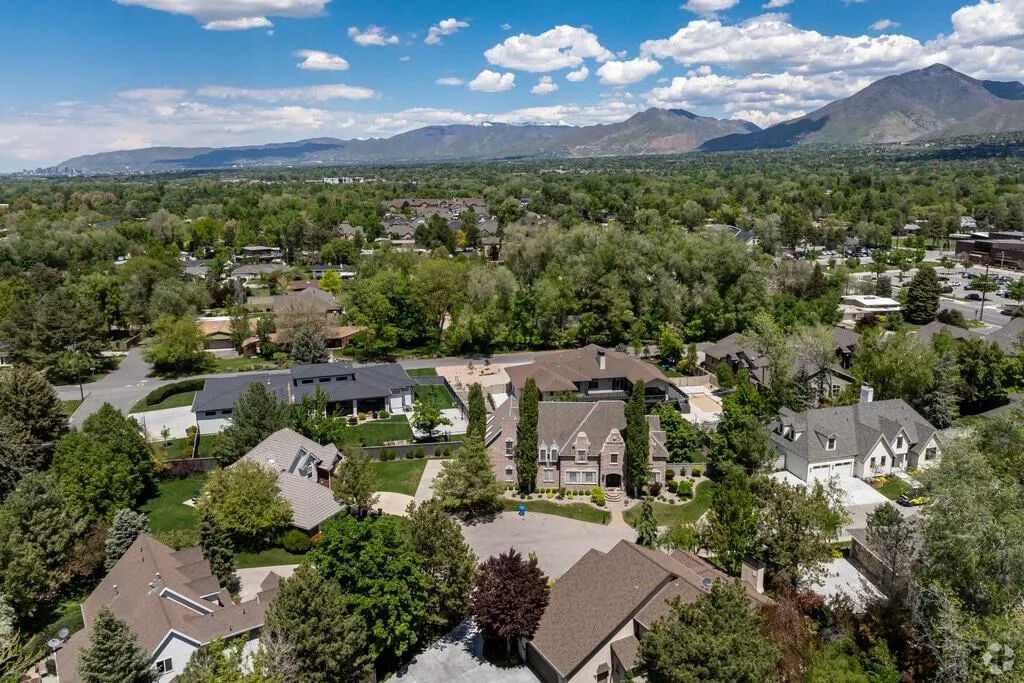
Federal Heights occupies a singular position within Salt Lake City’s residential hierarchy — a compact, elevated enclave directly above the University of Utah that has quietly held its status as one of the city’s most prestigious addresses for more than a century. Bounded roughly by Virginia Street to the west, the U of U campus to the south, and the open foothills to the east and north, the neighborhood’s bench position on the Wasatch slope delivers panoramic Salt Lake Valley views and a sense of remove from the urban grid below. With approximately 91% owner occupancy and effectively no remaining developable land, Federal Heights is one of the most supply-constrained residential markets in the Salt Lake Valley, where properties are held across generations and turnover is measured in decades rather than years.

~$1.9M (Feb 2025)
Median Sale Price
$1.0M–$3.5M+
Typical SFH Range
~91%
Owner Occupancy
5–10 min
Walk to U of U Campus
Effectively none
Developable Land Remaining
84103
ZIP Code

Why Kamee

The Strategic Advantage

Federal Heights’ strategic advantage rests on three irreproducible factors: absolute supply scarcity with effectively no remaining developable land, a 5–10 minute walk to the University of Utah’s main campus, and a bench-position elevation that produces sweeping views across the Salt Lake Valley to the Oquirrh Mountains. The interaction of these three factors — none of which can be manufactured in a competing neighborhood — creates a market in which demand structurally exceeds supply and long-term value appreciation is supported by physical geography rather than speculation.

The University of Utah adjacency is the dominant institutional demand driver. As of 2026, U of U Health is the only academic medical center in the Mountain West, and its faculty, surgeons, researchers, and senior administrators consistently form a deep buyer pool for foothill housing. The Huntsman Cancer Institute’s Phase V expansion adds approximately 205,000 square feet of hospital capacity directly above the neighborhood, and the institute appointed Bradley Cairns, PhD, as CEO in 2025 — both signals that the institutional footprint and the high-income workforce it supports are still expanding.

Compared to The Avenues, Federal Heights offers larger average lot sizes and a quieter, more exclusively residential character with far less rental conversion. Compared to Yalecrest, it provides direct walk-to-campus access rather than a car commute. Compared to Holladay, it commands a meaningful premium for its urban proximity and institutional adjacency. The result is a market where buyers are not simply purchasing a house — they are purchasing scarcity itself.

Kamee Shrope

Lifestyle

Life in Federal Heights

Cultural Engagements

Cultural Engagements

The University of Utah’s cultural resources are within walking distance, including the Utah Museum of Fine Arts, the Natural History Museum of Utah, Pioneer Theatre Company, and Kingsbury Hall. Red Butte Garden’s outdoor concert series brings nationally touring acts to the foothills each summer. Residents treat lectures, performances, and exhibitions less as outings and more as daily-life amenities, walking down the hill rather than driving across town.

Daily Rhythms

Daily Rhythms

The proximity to campus creates a walking-oriented daily rhythm rare in the Intermountain West. Mornings often begin on the Bonneville Shoreline Trail or a footpath into Red Butte Garden’s 21 acres of curated landscape, midday brings the option of walking to a hospital shift or faculty office, and evenings end with quiet residential streets, mature canopy, and valley light. The pace is closer to a New England college town than a typical western suburb.

Dining & Retail

Dining & Retail

The Foothill Village shopping area provides neighborhood-scale retail and dining at the southern edge of the enclave. The 15th & 15th and 9th & 9th independent commercial districts are five to ten minutes by car, and downtown Salt Lake City’s restaurant scene is a 10–15 minute drive. Residents trade a single dense commercial corridor for layered, low-density access to several distinct dining ecosystems.

Outdoor & Trail Access

Outdoor & Trail Access

The Bonneville Shoreline Trail runs along the foothills directly above Federal Heights, providing immediate access to hiking, trail running, and mountain biking from many properties. City Creek Canyon is a short drive to the west, and the Cottonwood Canyon ski resorts — Alta, Snowbird, Solitude, and Brighton — are roughly a 35–45 minute drive in normal traffic. The neighborhood functions as a single-family launch pad to the Wasatch.

Inside the Community

Neighborhood Deep Dives

Architectural Legacy and Estate Typology

Federal Heights’ housing stock spans more than a century of high-end residential construction, from early 20th-century estates built during the neighborhood’s original platting to mid-century modernist homes and a more recent generation of contemporary custom builds on existing parcels. Lots are noticeably larger than those in The Avenues’ tight urban grid, allowing for generous setbacks, deep front gardens, and the mature deciduous canopy that defines the streetscape from spring through fall.

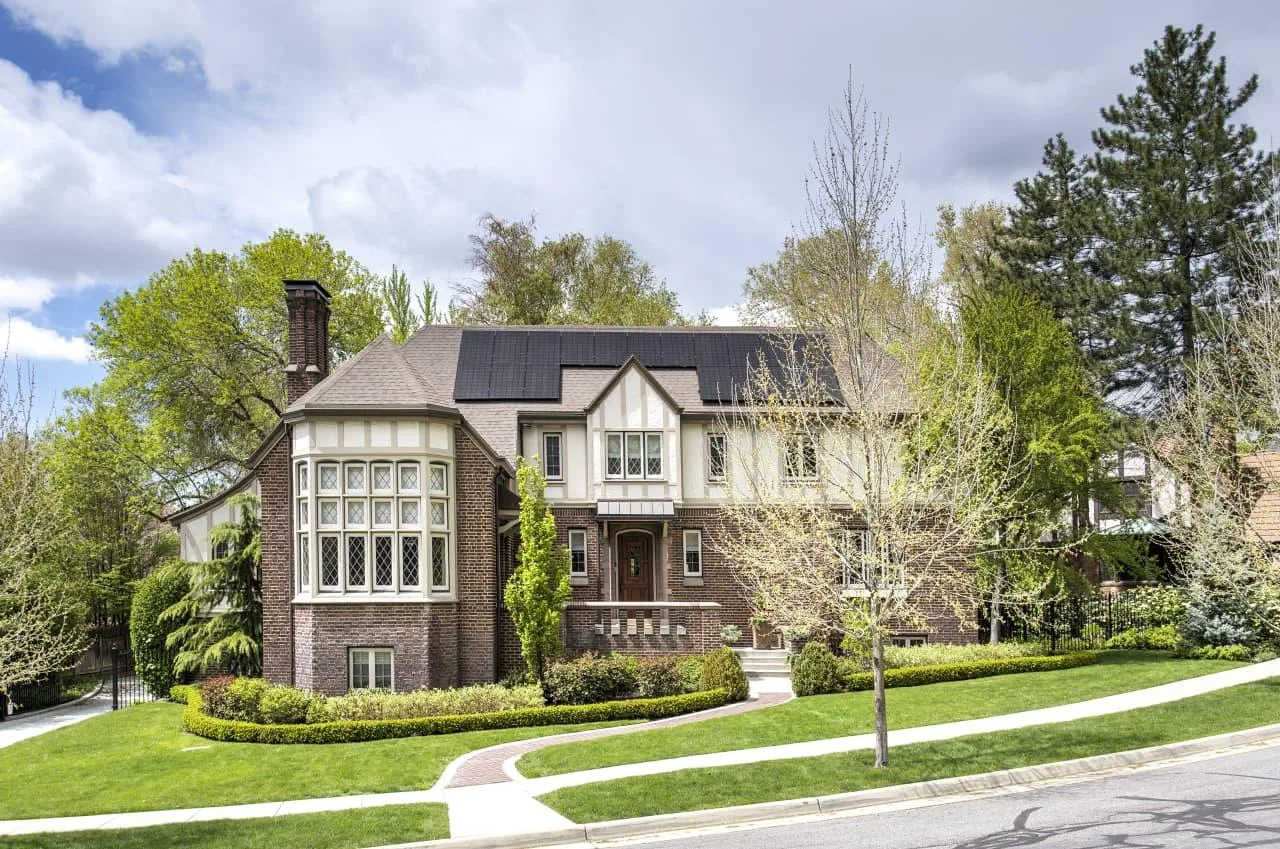
A meaningful share of the housing stock carries period architectural detailing — Tudor, Colonial Revival, and Prairie influences — reflecting the wealth that flowed up the bench in the 1910s and 1920s. Mid-century homes introduced flatter rooflines, glass orientation toward the valley view, and integrated landscaping that took advantage of the slope. Recent renovations and selective tear-down rebuilds have added contemporary expressions, but Federal Heights’ conservative architectural review culture and established neighbor expectations have kept the streetscape coherent rather than checkerboarded.

Why Federal Heights Commands Its Premium

Federal Heights commands a structural premium over comparable Salt Lake City neighborhoods because three independent scarcity factors compound on the same parcel. First, the neighborhood is geographically locked: the foothills above are protected open space, the University of Utah’s campus bounds it to the south, and infill on existing lots is constrained by topography and established zoning, so the housing supply is effectively fixed. Second, the demand pool is institutionally deep and recession-resistant — U of U Health faculty, Huntsman Cancer Institute researchers, U of U senior administrators, and Salt Lake City’s legal and financial professionals all value the same five-to-ten-minute walk to campus. Third, the bench elevation produces a view product that newer suburbs cannot replicate at any price. As of Redfin’s February 2025 data, the median sale price in Federal Heights was approximately $1.9 million, with a typical single-family range of roughly $1.0M to $3.5M+. The pricing reflects scarcity that geography, not marketing, has produced.

The Bench Position and Microclimate

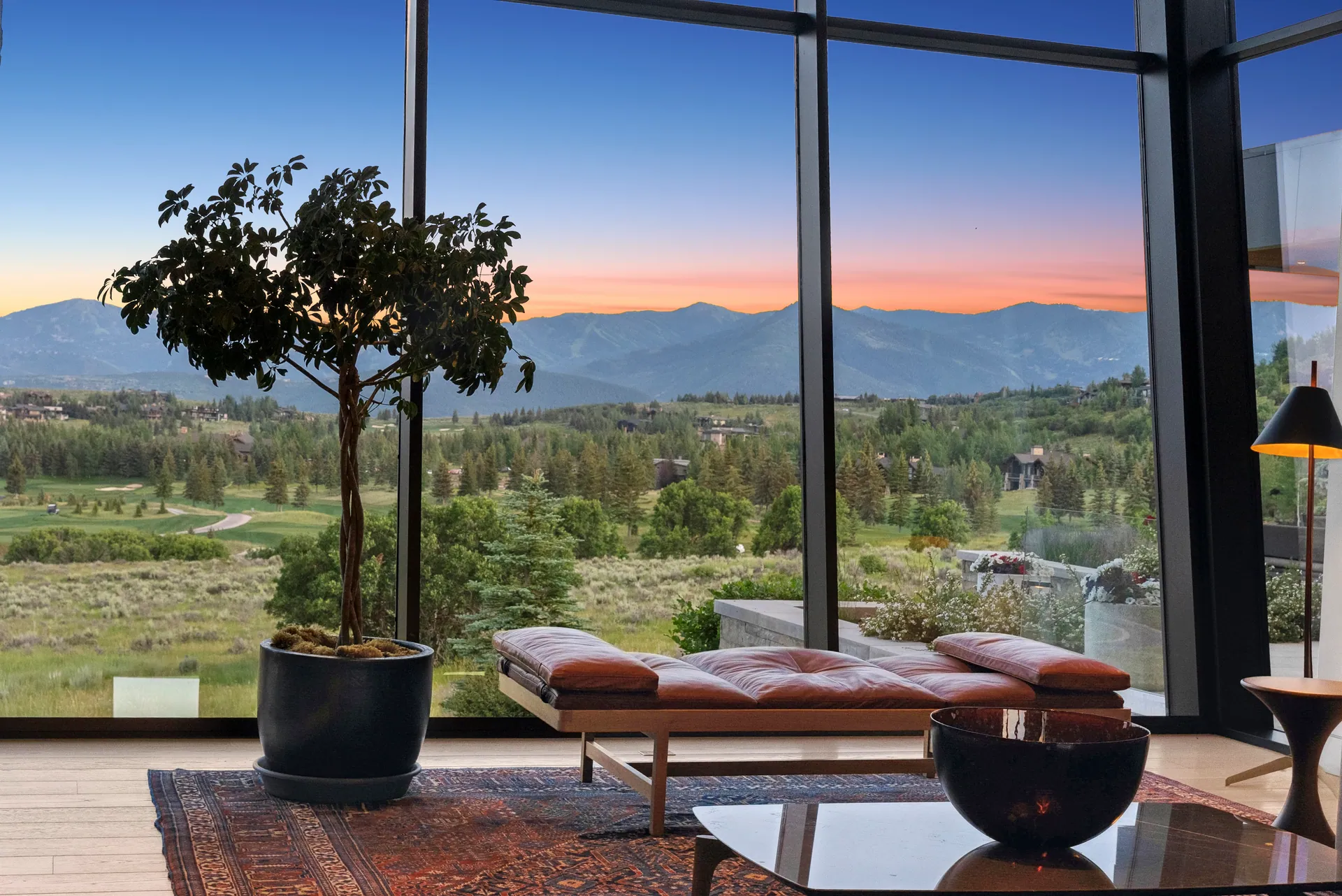
Federal Heights’ physical position on the Wasatch bench produces a living environment that feels distinctly elevated from the valley floor. Properties at higher elevations within the enclave command premium values for panoramic views extending across downtown Salt Lake City to the Oquirrh Mountains and, on clear days, the Great Salt Lake. The bench position also delivers a measurable microclimate advantage: summer evenings cool more quickly than on the valley floor, and the neighborhood typically sits above the winter inversion layer that traps particulates in the Salt Lake basin, meaning Federal Heights often enjoys clear winter air while the valley below is gray.

That topographic distinction — elevation, view, and air quality — contributes meaningfully to the neighborhood’s sense of remove and exclusivity despite its close proximity to the urban core. It is one of the few addresses in the Salt Lake region where a buyer can be a five-minute walk from a Tier 1 research hospital and still wake up above the inversion.

Institutional Adjacency: U of U Health and the Huntsman Footprint

The University of Utah Health Sciences campus — which includes University of Utah Hospital, Primary Children’s Hospital, the John A. Moran Eye Center, and the Huntsman Cancer Institute — sits immediately south and east of Federal Heights. As of 2026, U of U Health remains the only academic medical center in the Mountain West, which concentrates an unusually deep population of physicians, surgeons, principal investigators, and senior hospital administrators within a single commute shed.

The Huntsman Cancer Institute’s Phase V expansion adds approximately 205,000 square feet of cancer hospital capacity directly above the neighborhood, and Huntsman appointed Bradley Cairns, PhD, as its new CEO in 2025 — both signals that the institutional footprint is still actively growing rather than plateauing. Even as Huntsman opens a second comprehensive cancer center in Vineyard (Utah County, groundbreaking April 2025), the Salt Lake campus remains the system’s research and clinical anchor, and the workforce that supports it continues to look to Federal Heights as the most convenient luxury address.

Nature, Recreation, and Open Space

Federal Heights sits at an unusually rich intersection of urban recreation assets. The Bonneville Shoreline Trail traverses the foothills immediately above the neighborhood, providing direct hiking and mountain-biking access from many streets. Red Butte Garden and Arboretum, located on the U of U campus just south of the enclave, offers 21 acres of curated gardens, native plant collections, and a summer outdoor concert series under University of Utah stewardship.

City Creek Canyon, accessed from the western edge of the foothills, provides a paved canyon road closed to vehicle traffic on alternating days for runners and cyclists. The four Cottonwood Canyon ski resorts (Alta, Snowbird, Solitude, Brighton) are roughly 35–45 minutes away in normal traffic, making Federal Heights one of the only urban neighborhoods in North America where a homeowner can walk to a research university in the morning and ski deep powder in the afternoon.

At a Glance

Federal Heights in Context

Market FactorFederal HeightsThe AvenuesYalecrestHolladayHarvard-Yale
Typical SFH Range$1.0M–$3.5M+$600K–$2.5M$700K–$2.0M$785K–$16M$900K–$2.5M
Walk/Drive to U of U5–10 min walk15–20 min walk15–20 min drive15–20 min drive5–10 min walk
Owner Occupancy~91%~70%High~79%High
Lot CharacterLarger bench lotsCompact urban gridIntact historic lots0.20–1.5+ acresCompact urban grid
Architectural IdentityPeriod estate + customVictorian/Edwardian mixTudor/Colonial preservationMid-century + customTudor/period preservation
Primary Demand DriverU of U Health + scarcityWalkable urban coreSchools + preservationLot size + foothillsWalk to U + period homes

Long-Term Outlook

Investment Analysis & Value Retention

Federal Heights’ investment thesis is built on absolute supply constraint paired with structurally deep institutional demand. With effectively no remaining developable land and approximately 91% owner occupancy, the neighborhood operates with extremely low turnover — homes are frequently transferred within families or sold off-market — and listings that do reach the open market typically draw competitive interest from U of U Health professionals, Huntsman Cancer Institute researchers, and established Salt Lake City families.

Per Redfin data for February 2025, the median sale price in Federal Heights was approximately $1.9 million, with the broader single-family range running from roughly $1.0M to $3.5M+ and the upper estate tier extending higher on view-premium parcels. Year-over-year comparisons in a thin-volume market like Federal Heights are noisy by design (a single $4M trade can swing the monthly median), so buyers and sellers should weight rolling 12-month medians and view-corrected comparables more heavily than headline month-over-month figures.

The directional case is more durable than the monthly number. The University of Utah’s continued expansion — including the Huntsman Cancer Institute Phase V build-out and ongoing growth of U of U Health — continues to deepen the high-income professional pool seeking proximity to campus. Combined with fixed supply and high owner occupancy, this creates a market dynamic in which values are supported by structural institutional demand rather than speculative cycles, which historically has translated into resilience through broader downturns.

Schools & Future

Education & Outlook

The University of Utah’s immediate adjacency is Federal Heights’ most distinctive educational asset. The U is one of the largest public research universities in the Mountain West, and its proximity makes Federal Heights effectively the only Salt Lake City neighborhood where households can walk to a major research campus, the Marriott Library, the Eccles School of Business, and the U’s health sciences corridor. For households where one or both adults are tied to academic, medical, or research roles, the time-cost savings compound over careers measured in decades.

K–12 education is provided by Salt Lake City School District, with neighborhood students typically routed through district schools including Indian Hills Elementary, Bryant Middle School, and East High School (East serves a broad eastside attendance area). Many Federal Heights families also draw on the dense ecosystem of independent and parochial options across the eastside, including Rowland Hall and Judge Memorial Catholic High School, and on the U’s own laboratory and outreach programs.

The medium-term outlook is shaped by the Huntsman Cancer Institute’s Phase V expansion (approximately 205,000 square feet, currently under construction) and the broader maturation of U of U Health as the Mountain West’s only academic medical center. Both developments expand the population of credentialed professionals for whom Federal Heights is the most convenient residential address, reinforcing the neighborhood’s long-running role as the housing of choice for university leadership and senior medical faculty.

Frequently Asked

Frequently Asked Questions

More to Explore

More Salt Lake Valley Neighborhoods
Work with Kamee for elevated representation

Personalized solutions that bring my clients closer to their dreams and enhance their long-term wealth.

Let's Connect
Contact Me