Nestled on the southeast bench of the Salt Lake Valley, Cottonwood Heights occupies a position no other valley municipality can claim: it sits at the direct mouth of both Big Cottonwood Canyon and Little Cottonwood Canyon, the two canyons that contain Utah's four signature ski resorts. Officially incorporated on January 14, 2005 after a 2004 referendum, this city of roughly 32,400 residents (2024 estimate) has earned its unofficial designation as "The City Between the Canyons." The position delivers Solitude and Brighton via SR-190 up Big Cottonwood and Alta and Snowbird via SR-210 up Little Cottonwood, with all four resort base areas reachable in 20 to 35 minutes in normal conditions, while downtown Salt Lake City sits roughly 15 miles to the northwest. That dual identity — a family-oriented bench suburb with a working civic core, paired with the single most ski-resort-adjacent address in the metropolitan area — has produced a distinctive market: deep year-round resident demand from physicians, attorneys, ski-industry executives, and remote-work professionals layered over seasonal pressure from buyers who want a primary residence that lives like a mountain town without sacrificing valley convenience.
Why Kamee
Cottonwood Heights' strategic advantage is best understood through what might be called the "two-canyon equation." No other Salt Lake Valley municipality sits at the mouth of both Big Cottonwood Canyon (SR-190, accessing Solitude and Brighton) and Little Cottonwood Canyon (SR-210, accessing Alta and Snowbird). Holladay is close on the north, Sandy is close on the south, but only Cottonwood Heights delivers the canyon mouths themselves — a 5 to 15 minute drive to the base of either canyon road, depending on the address. That singularity collapses the traditional ski-town trade-off: a Cottonwood Heights primary residence delivers four resort base areas within 35 minutes and downtown Salt Lake City within 15, all from the same kitchen.
Compared to Holladay, Cottonwood Heights trades slightly smaller average lot sizes for more direct canyon access and the Brighton High School attendance zone. Compared to Sandy, it commands a premium that reflects both the canyon-mouth position and the bench elevation, which delivers cleaner winter air above the valley inversion. Compared to Federal Heights, it offers a fully incorporated civic identity, a council-mayor government, and price points that remain accessible for high-income families priced out of urban bench enclaves.
The structural drivers behind these advantages are durable rather than cyclical. The canyon corridors are geographically fixed, the Brighton attendance zone has a permanent boundary, and the upper bench foothills are constrained by topography and protected open space. Combined with the 2034 Winter Olympics returning alpine events to the Cottonwood Canyons, the result is a market where demand drivers compound on a supply base that physically cannot expand.

Lifestyle

The Cottonwood Heights Recreation Center anchors municipal life with indoor and outdoor pools, fitness facilities, an ice rink, and year-round programming for all ages. Mountview Park, Butler Park, and Bywater Park provide neighborhood-scale green space, while the Bonneville Shoreline Trail traverses the foothills above the city. The civic rhythm includes summer concerts at Mountview Park, the Butlerville Days community festival each July, and an active parks and trails commission that keeps the open-space network funded and maintained.

Direct access to Big Cottonwood Canyon (SR-190) and Little Cottonwood Canyon (SR-210) puts Solitude, Brighton, Alta, and Snowbird within a 20 to 35 minute drive in normal conditions. Bell Canyon Trailhead, inside city limits, is a popular hike-from-home route to waterfall and reservoir destinations. Summer adds rock climbing in Little Cottonwood's granite, mountain biking on the Wasatch Crest, and fly fishing on Big Cottonwood Creek — a four-season recreation stack that begins at the driveway.

Fort Union Boulevard is the primary commercial corridor, anchored by neighborhood-scale grocery, dining, and services. The Old Mill business district, near the mouth of Big Cottonwood Canyon, hosts ski-industry headquarters and after-resort dining. Cottonwood Mall's adjacent Holladay redevelopment delivers additional retail within a 10-minute drive, and downtown Salt Lake City's tasting-menu scene is roughly 15 to 20 minutes away — giving residents village-scale convenience and full-spectrum metro access without committing to either lifestyle exclusively.

Cottonwood Heights incorporated on January 14, 2005 after a successful 2004 referendum, gaining control of its own zoning, police department, and General Plan. The council-mayor government has used that authority to maintain bench-character zoning, fund the Recreation Center as a true civic anchor, and resist the dense infill pressure reshaping unincorporated county pockets nearby. The result is a working civic identity — elected representation, locally controlled policing, and a deliberate slow-growth posture — uncommon in suburbs of comparable size.
Inside the Community
Cottonwood Heights is the only incorporated municipality in the Salt Lake Valley that sits at the immediate mouth of both Big Cottonwood Canyon and Little Cottonwood Canyon, the two glacial canyons that contain Utah's four signature ski resorts. SR-190 enters Big Cottonwood Canyon at Wasatch Boulevard near 7000 South within Cottonwood Heights city limits, climbing to Solitude Mountain Resort at roughly mile 12 and Brighton Ski Resort at roughly mile 15. SR-210 enters Little Cottonwood Canyon at Wasatch Boulevard near 9400 South, also within Cottonwood Heights, climbing to Snowbird at roughly mile 6 and Alta at roughly mile 8. From most Cottonwood Heights addresses, either canyon mouth is a 5 to 15 minute drive, and either pair of resort base areas is reachable in 20 to 35 minutes in normal conditions. Sandy borders Little Cottonwood but not Big Cottonwood. Holladay borders neither canyon mouth directly. The dual-mouth position is a single-city advantage that cannot be replicated.
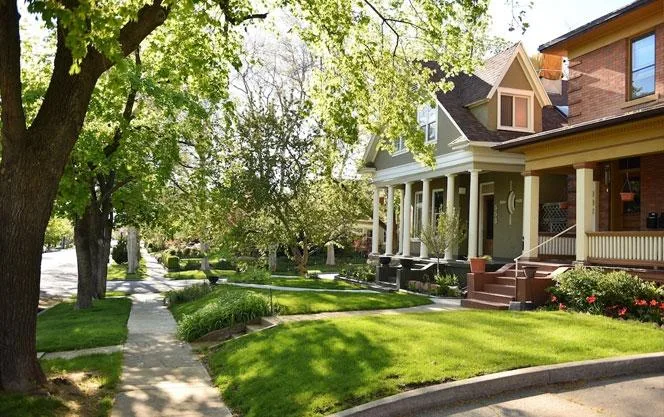
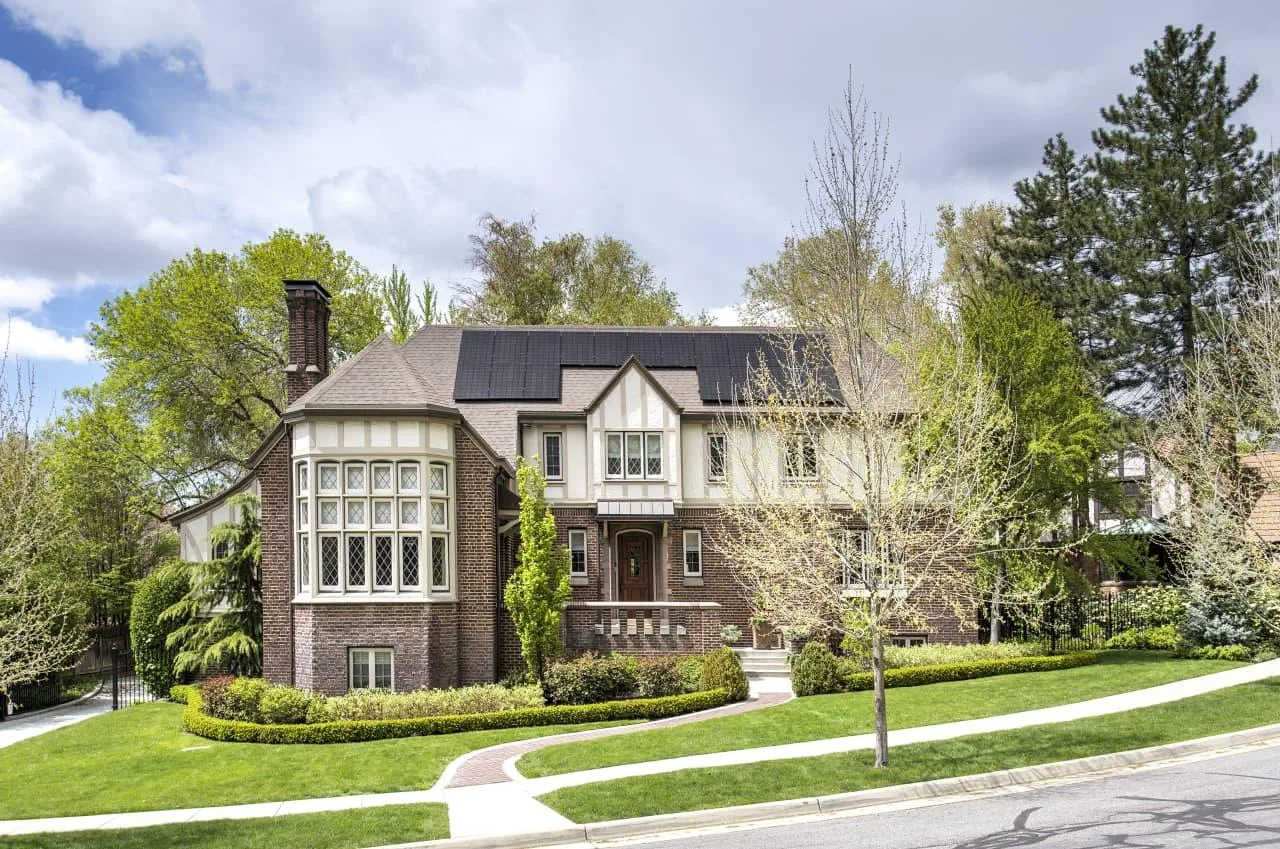
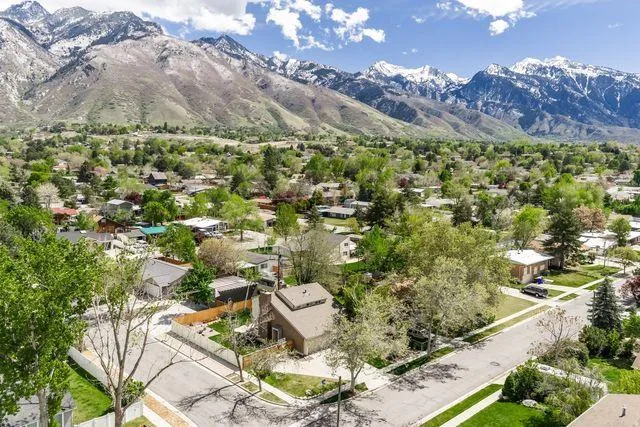
Cottonwood Heights' housing stock reflects its evolution from post-war Salt Lake County suburb into a contemporary canyon-gateway city. The community's foundation is mid-century ranch and split-level housing from the 1960s and 1970s, much of it on quarter-acre to third-acre parcels with mature canopy and good bones. A meaningful share of that inventory has been gut-renovated over the past fifteen years, with kitchens opened, second stories added, and rear-of-house orientations rebuilt around Wasatch views.
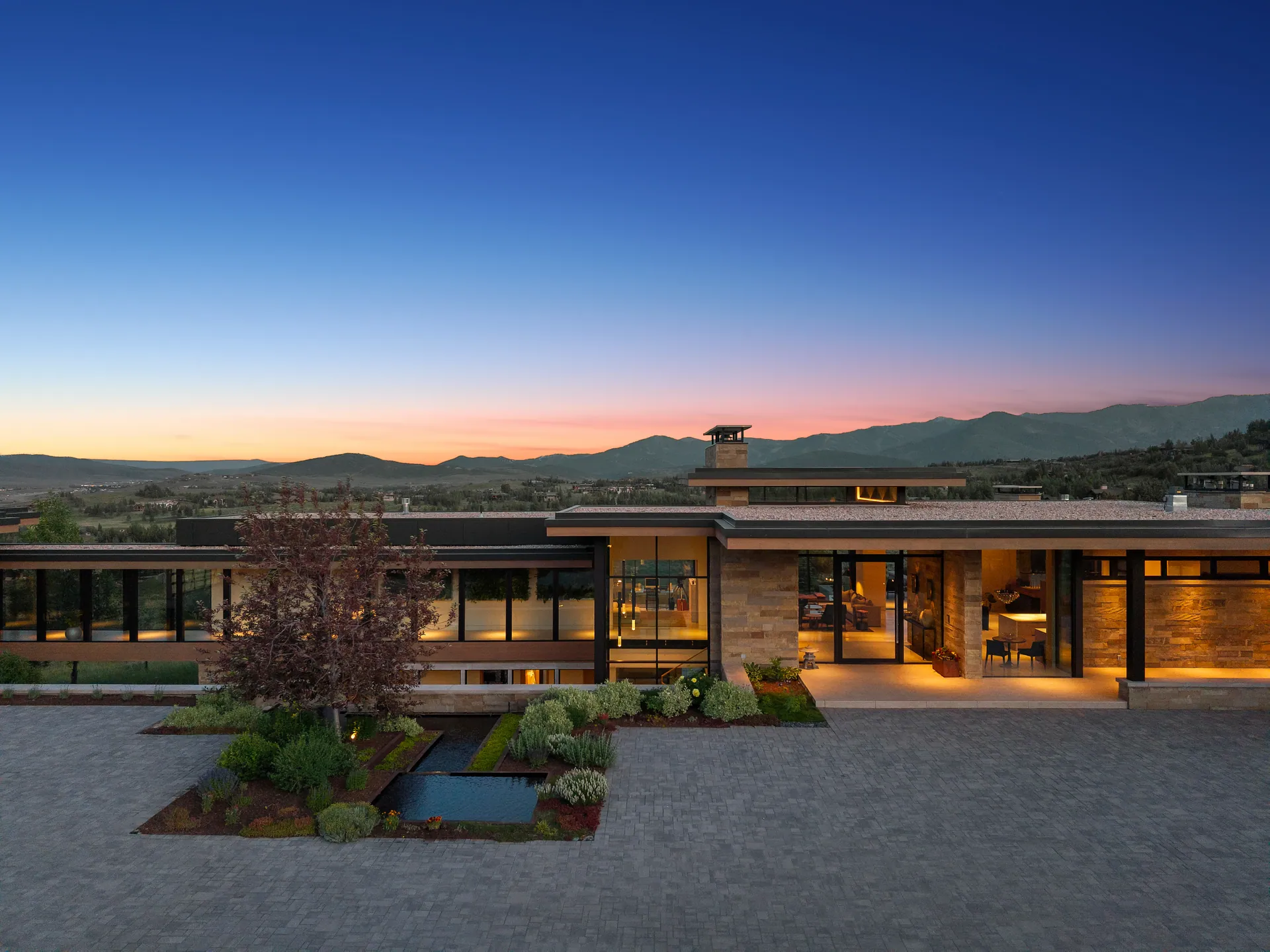
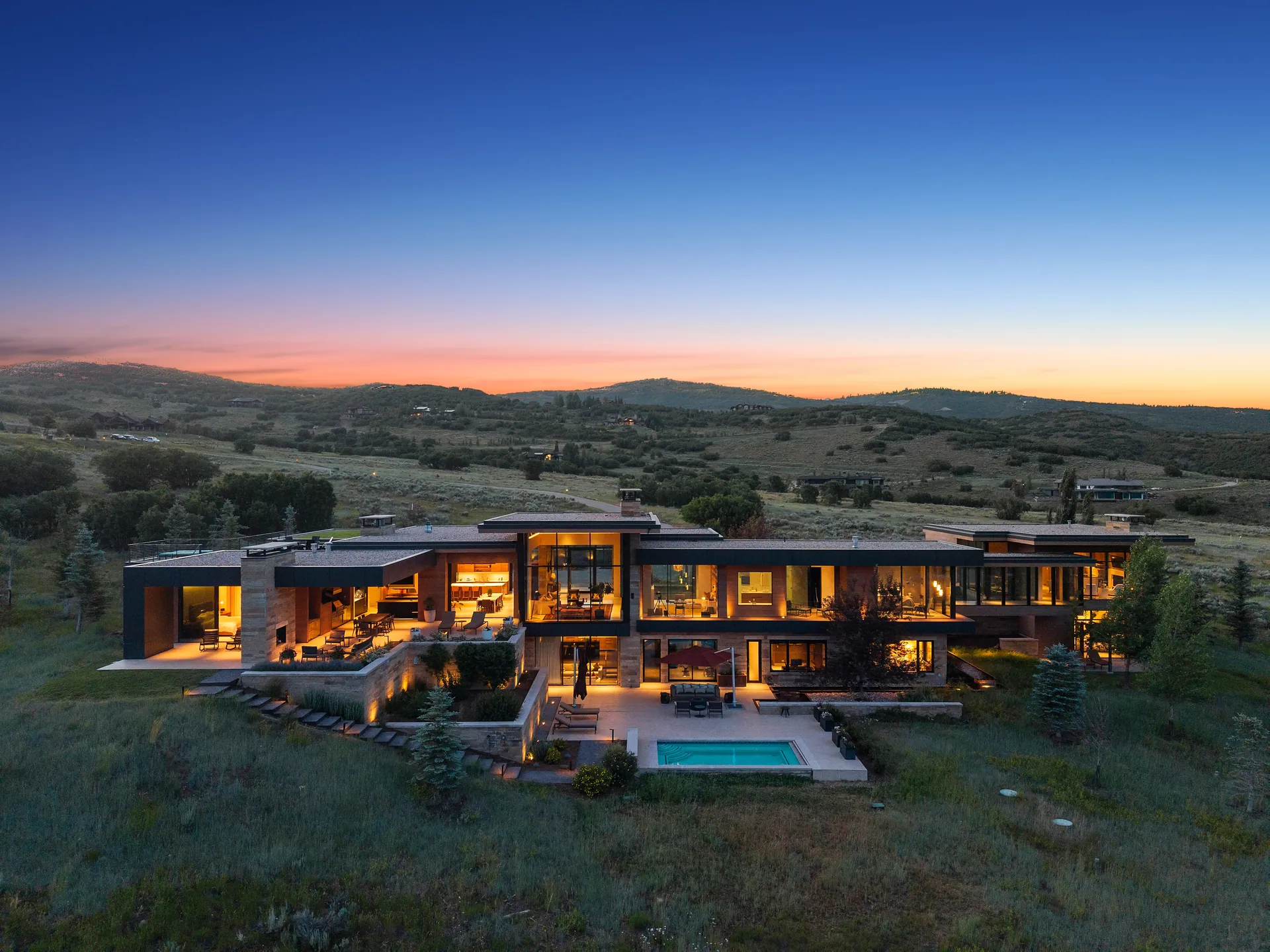
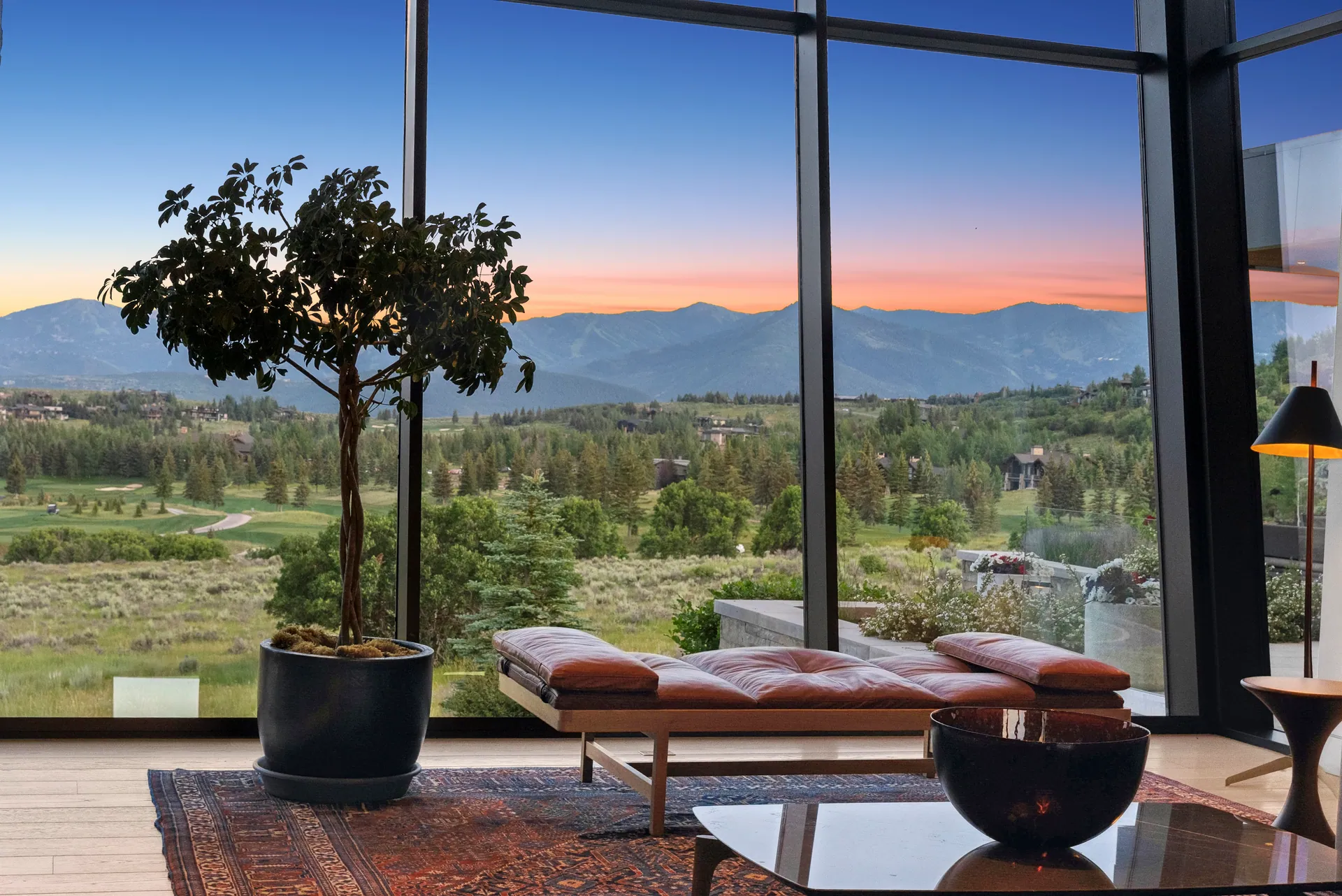
Layered on top is a newer generation of custom homes concentrated in the foothills and along the canyon-mouth approaches. Mountain contemporary and modern farmhouse vocabularies dominate the post-2015 builds, with expansive glass oriented east toward Mount Olympus and Bell Canyon and west toward valley sunset views. The Canyon Cove, Brighton Estates, and upper Bengal Boulevard pockets carry the premium tier, where custom builds on view-premium parcels regularly clear $2M and the upper estate band extends well above. The result is a layered architectural stack — renovated mid-century at the entry price point, traditional two-story builds from the 1980s and 1990s through the middle, and contemporary custom estates at the top — without the visual monoculture of a single master-planned vintage.
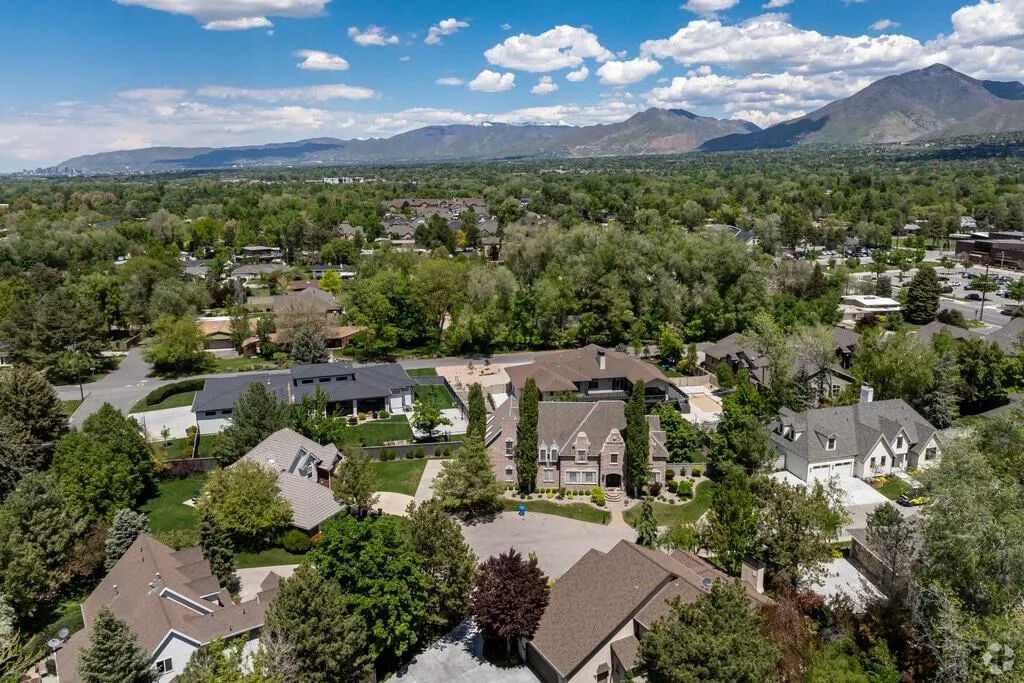
Cottonwood Heights stratifies sharply by elevation. The valley-floor portion of the city, west of Wasatch Boulevard, lives like a mature east-bench suburb — grid streets, established parks, walkable access to Fort Union Boulevard's retail, and the Cottonwood Heights Recreation Center as the civic anchor. East of Wasatch Boulevard, the bench rises sharply toward the canyon mouths, and the housing character shifts accordingly: larger parcels, custom architecture, and dramatic view orientations toward Mount Olympus to the north and the Twin Peaks Wilderness to the southeast.
The bench position also produces a measurable microclimate advantage. Summer evenings cool more quickly than on the valley floor, and the upper bench typically sits above the winter inversion layer that traps particulates in the Salt Lake basin from December through February. On many winter days, Cottonwood Heights' upper bench enjoys clear sky and direct sun while the valley below remains gray. That topographic distinction — elevation, view, and air quality — is one of the durable reasons the bench portion of the city commands the premium it does, and it cannot be engineered into a competing suburb on the valley floor.
The defining recreational asset of Cottonwood Heights is the canyon-mouth position itself, which delivers year-round access to the broader Wasatch trail and resort network. Big Cottonwood Canyon (SR-190) runs to Solitude and Brighton; Little Cottonwood Canyon (SR-210) runs to Snowbird and Alta. In summer, both canyons are anchor trailheads for the Wasatch — Lake Blanche from Big Cottonwood, Cecret Lake from Little Cottonwood, and the high-alpine ridgelines connecting them are standard locals' routes.
Closer to the residential grid, the Bonneville Shoreline Trail traverses the foothills directly above the city, connecting Cottonwood Heights into the regional trail network from Salt Lake City to Draper. Bell Canyon Trailhead, just south within the city limits, delivers one of the most-used hike-from-home trailheads on the East Bench, including the Lower Bell Canyon Reservoir and waterfall routes. The Cottonwood Heights Recreation Center, the city's municipal facility, provides indoor and outdoor pools, fitness, ice rink, and programming for all ages. Layered together, the recreation stack — neighborhood parks, foothill trailheads, two ski canyons, and a full municipal rec center — supports a year-round active lifestyle that is the city's primary lifestyle thesis.
The most-watched land-use question inside Cottonwood Heights is the redevelopment of the historic Cottonwood Paper Mill site at the mouth of Big Cottonwood Canyon. The 1883 mill ruin, listed by Preservation Utah on its 2025 Most Endangered list, sits on a roughly 30-acre parcel where developers have advanced a mixed-density proposal known as Papermill Village at the Old Mill — approximately 175 condos, 120 townhomes, and 14 single-family homes, with around 30 percent of the parcel proposed as open space. As of late 2024, an Appeals Hearing Officer denied a variance request tied to demolition of the historic mill, which delays but does not foreclose the project, and the Conditional Use Permit pathway remains active through the Cottonwood Heights Planning Commission.
The outcome matters for the surrounding housing market because the site sits at the literal entrance to Big Cottonwood Canyon. A successful preservation-and-redevelopment hybrid would anchor a distinctive canyon-mouth district; a stalled project leaves a visible gap on one of the most-trafficked corridors in the city. Buyers underwriting long-term value in the southern bench neighborhoods should track the Planning Commission docket and the city's active General Plan update, both of which will shape what the canyon-mouth corridor looks like through the 2034 Olympics and beyond.
At a Glance
| Market Factor | Cottonwood Heights | Holladay | Federal Heights | Sandy | Draper |
|---|---|---|---|---|---|
| Median Sale Price (2026) | ~$797K (Apr, Redfin) | ~$768K–$850K | ~$1.9M (Feb 2025) | ~$650K–$750K | ~$700K–$850K |
| Typical Lot Size | 0.15–0.35 ac | 0.20–1.5+ ac | Compact bench | Varied newer | Varied newer |
| Canyon Mouths (direct) | Big + Little Cottonwood | Neither (10–20 min) | Neither (35–45 min) | Little Cottonwood only | Neither (20–30 min) |
| Downtown SLC Drive | 15–20 min | 15–20 min | ~10 min | 20–25 min | 25–30 min |
| Signature High School | Brighton (Canyons SD) | Olympus / Skyline (Granite) | East (SLC SD) | Alta / Hillcrest (Canyons) | Corner Canyon (Canyons) |
| Civic Status | Incorporated 2005 | Incorporated 1999 | SLC neighborhood | Incorporated city | Incorporated city |
Long-Term Outlook
Cottonwood Heights' investment profile rests on a thesis the broader market has been validating year over year. Per Redfin data for April 2026, the citywide median sale price was approximately $797K, representing a +13.9 percent year-over-year change. May 2026 listings carried a median list price near $949K at roughly $335 per square foot, with a median 41 days on market. The bench and canyon-adjacent sub-pockets stratify sharply above the citywide figure: Redfin reported a Little Cottonwood Heights neighborhood median near $1.1M (February 2026), a North Cottonwood Heights median near $810K (March 2026), and the Wasatch sub-pocket near $948K in the three-month period ending April 2026.
The Brighton High School attendance zone is a measurable value driver, historically commanding a premium over comparable Granite School District alternatives on the valley floor. Combined with the canyon-mouth position, the result is a market where buyers underwrite to two scarcity factors at once: a fixed school boundary and a fixed geographic feature. Neither can be replicated in a competing suburb at any price point, which has supported price resilience even as broader Salt Lake County volume softened from the 2021 peak.
The forward catalyst stack is unusually deep. The 2034 Winter Olympics will return alpine events to the Cottonwood Canyons, which historically reinforces demand for canyon-adjacent addresses well before the Games themselves. Ongoing transportation conversations around the Little Cottonwood Canyon corridor, the Old Mill redevelopment question, and the city's General Plan update will collectively shape the next decade of the bench. Buyers should weight rolling 12-month medians more heavily than month-over-month swings, particularly in the thin-volume luxury tier, where a single $3M trade can move the headline figure.
Schools & Future
Cottonwood Heights is served by the Canyons School District, which split from the larger Jordan School District in 2009 and has since invested substantially in its high schools. Brighton High School at 2220 East Bengal Boulevard is the neighborhood comprehensive high school, serving roughly 2,400 students in grades 9 through 12. Brighton was ranked eighth among Salt Lake County high schools and 19th of 169 Utah high schools in U.S. News and World Report's 2025 "Best High Schools" edition, with a graduation rate near 92 percent and all five traditional Canyons high schools earning national recognition the same year.
Feeder middle schools and elementaries are concentrated within Canyons District boundaries, and the district's investment in capital improvements over the past decade has refreshed much of the K-12 physical infrastructure. Private and parochial options within commute range include Waterford School in Sandy, Juan Diego Catholic High School in Draper, and Rowland Hall on the Salt Lake City east bench, giving Cottonwood Heights families a genuine spectrum of public, charter, and private pathways from a single home base.
The medium-term educational outlook is shaped by the Canyons District's continued capital investment, the stability of the Brighton attendance zone, and an ongoing inflow of high-income relocators choosing the city specifically for school-quality reasons. That demand pattern — families anchoring on a specific public-school boundary — historically supports premium pricing inside the boundary and durable buyer interest through broader market cycles.
Frequently Asked
Personalized solutions that bring my clients closer to their dreams and enhance their long-term wealth.
Let's Connect