Lifestyle · Salt Lake City
Living in Sugar House
Walkable urban-village character anchored by Sugar House Park and the Wilmington Avenue corridor — what daily life is actually like in one of Salt Lake's most distinctive neighborhoods.
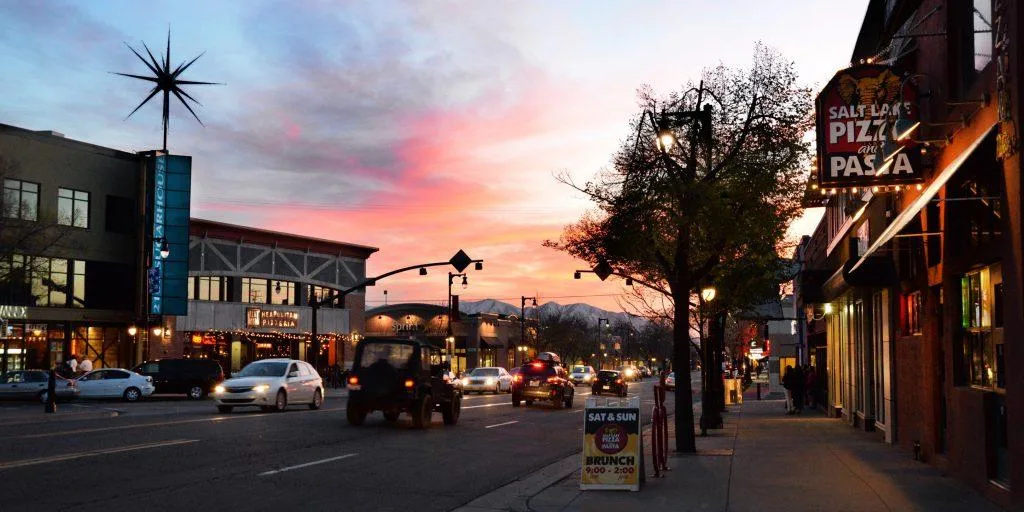
Sugar House is one of Salt Lake City's most distinctive submarkets — a walkable urban-village neighborhood centered on Sugar House Park, with a mix of original bungalow and Tudor homes, newer townhouse and condo inventory along Wilmington Avenue, and a daily rhythm shaped by the S-Line streetcar, walkable retail, and easy proximity to both downtown Salt Lake City and the University of Utah.
This guide covers what daily life feels like in Sugar House and what makes the area appealing to its specific buyer profile. For the market and inventory side, see the Best Realtor in Sugar House page.
Walkability, Character, and Everyday Convenience
Shops and Daily Life
Sugar House's daily rhythm is built around walkable retail and the park. The Wilmington Avenue corridor, the 21st South commercial spine, and Highland Drive between 21st and 27th South together carry a mix of independent restaurants, coffee shops, neighborhood grocery (Smith's, Whole Foods, Trader Joe's), gyms and yoga studios, and small retail. Many residents do a meaningful share of their daily errands on foot.
Sugar House Park itself is the social anchor — runners, dog walkers, family events, summer concerts, fireworks, and a busy daily flow that adds to the neighborhood character. The S-Line streetcar links Sugar House to the Salt Lake City TRAX system, putting downtown and the airport within a transit-feasible commute for many residents.
Housing Character
The housing stock in Sugar House is varied. Original Craftsman, bungalow, and Tudor homes (1910s through 1940s) dominate the streets between 21st South and 27th South, often updated and renovated. Newer townhouse and condo inventory has filled out the Wilmington Avenue corridor over the past decade, providing lock-and-leave options for downsizers and first-time buyers. Larger remodeled homes on the streets bordering Sugar House Park or near Forest Dale Golf Course tend to carry premiums.
Architectural character is a meaningful driver of value in Sugar House. Original-character bungalows with tasteful updates and good lot dimensions often outperform newer construction in the same price range, particularly on the more desirable streets.
Buyer Considerations
Sugar House attracts a diverse buyer pool: young professionals from the University of Utah and downtown employment base, families drawn by the elementary schools and park access (Highland Park, Hawthorne, Dilworth), downsizers leaving larger East Bench or Holladay homes, and a meaningful share of repeat-buyer activity from current Sugar House residents trading up within the neighborhood.
Practical buyer considerations include lot drainage on some of the older streets, ADU potential and zoning specifics (Salt Lake City has been actively expanding ADU pathways), and the trade-offs between original-character bungalow inventory and newer townhouse construction. The right choice depends on lifestyle priorities more than headline price.
Why This Salt Lake Neighborhood Has Enduring Appeal
Sugar House Park, the commercial district, older residential streets, and varied housing forms are useful starting points for a search. Visit the places you expect to use and verify current business operations. For value questions, compare relevant recent sales and current alternatives; these neighborhood features do not establish a history of outperforming the citywide market.
For buyers, Sugar House offers a meaningfully different daily-life profile than the East Bench or Holladay — more density, more walkability, less yard, more neighborhood texture. For sellers, the neighborhood rewards properties that have been thoughtfully prepared and presented, with strong demand for original-character homes in good condition.
Browse the Sugar House neighborhood page, explore Living in The Avenues, or reach out for a private intake conversation.
Common Questions
Living in Sugar House FAQ
- Is Sugar House a good place to live?
- Yes — Sugar House is consistently considered one of Salt Lake City's most desirable neighborhoods. It combines walkable urban-village character (Sugar House Park, the S-Line streetcar, the Wilmington Avenue corridor) with a strong stock of original bungalow and Tudor homes and proximity to downtown Salt Lake City, the University of Utah, and the canyon ski resorts.
- What schools serve Sugar House?
- Sugar House is served by Salt Lake City School District. Common elementary schools include Highland Park, Hawthorne, and Dilworth; middle school is Hillside; high school is Highland High. Several private school options serve the broader Salt Lake area (Rowland Hall, McGillis School, Realms of Inquiry).
- What is the S-Line streetcar?
- The S-Line is a 2-mile streetcar route running from the Central Pointe TRAX station east through Sugar House along the former Sugar House rail line. It connects Sugar House to the broader Salt Lake TRAX light-rail system, providing transit access to downtown Salt Lake City and the airport. The S-Line has driven meaningful new development along the Wilmington Avenue corridor.
- Is Sugar House walkable?
- Yes. Sugar House is one of the most walkable neighborhoods in Salt Lake City. Most residents can reach groceries, restaurants, coffee, gyms, and the park on foot. Walk Score on the Wilmington Avenue corridor and the streets immediately around Sugar House Park is consistently in the 80s and 90s.
- What price range does Sugar House typically run?
- Sugar House contains condominiums, townhomes, older detached houses, and renovated or expanded homes. Compare current listings and recent sales by property type, condition, lot, parking, and location. Record the evidence date and any association costs; a neighborhood-wide price band would conceal those differences.
Start with a Conversation
Whether you're buying, selling, or exploring a move to Sugar House, Kamee provides a private, no-pressure conversation about your goals — and a working plan that fits.