The short answer, with the numbers behind it
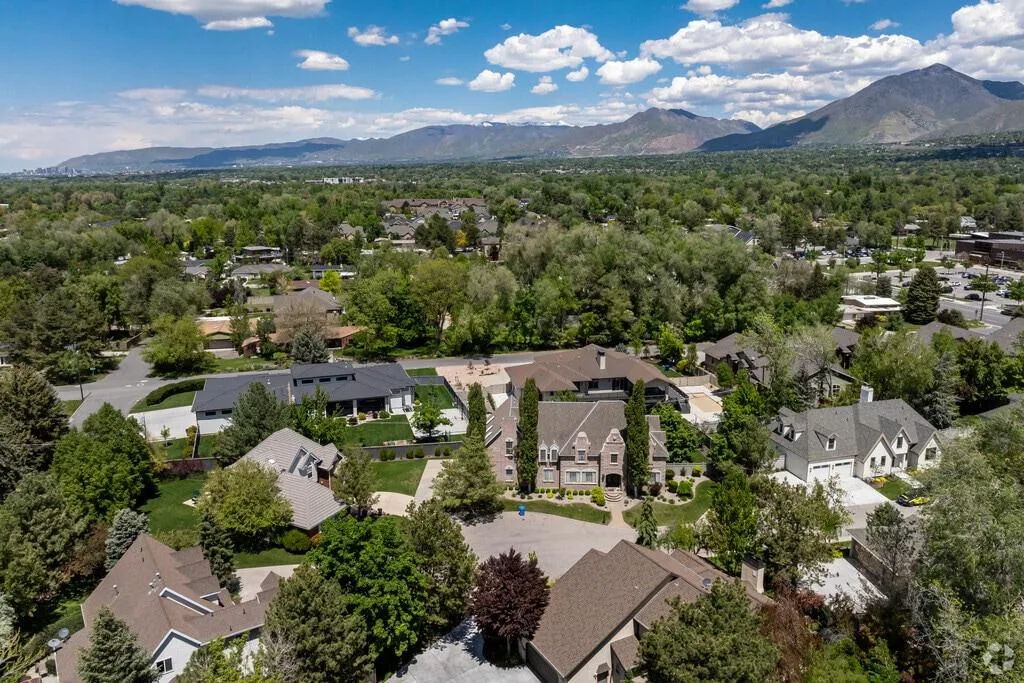
Holladay sits eight miles southeast of downtown Salt Lake City, against the base of the Wasatch. People ask whether it is a good place to live, whether it is affluent, and what it costs. Those are answerable questions, and the census answers them.
The median household income is $117,043 — 23% above Utah and 45% above the United States. The typical home is valued at $763,400, about 41% above Salt Lake City. 78.7% of homes are owner-occupied. The population is 31,099, and the median age is 40.6 against Utah's 32.
I published the full table, with every source table named, in Holladay, Utah by the Numbers. What follows is what those figures mean when you are actually trying to buy here.
The ownership rate matters more than the price
The number I would point a buyer to is not the home value. It is that nearly four in five homes are lived in by their owners, against fewer than half in Salt Lake City.
That single figure explains most of what makes buying in Holladay different. Long-term owners move rarely. Fewer homes reach the market in a given month, and the ones that do often sell to buyers who have been watching the area for months and recognize a good house the week it appears.
The practical consequence: a wide search does not work well here. Knowing the streets, having financing settled, and being ready to act on the right home in its first week does.
Where the median hides the real range
Holladay is not one market. A median drawn from 31,000 residents sits between post-war streets near Holladay Boulevard and estate parcels on the east bench, and it describes neither accurately.
When I price a home here, the city-wide figure is a starting context, not a comparable. The comparable set is usually a handful of homes within a few streets, adjusted for lot, access and condition. Two homes a mile apart in Holladay can belong to genuinely different markets.
The census estimate carries this in its own numbers: the income figure has a margin of error of ±$10,867 and the home value ±$38,240. They are ranges, not fixed points.
What the commute figure tells you
82.4% of working Holladay residents get to work in under 30 minutes, slightly better than Salt Lake City's 80.3% and well ahead of Utah's 72.8%.
That is the quiet advantage of the location. You are close enough to downtown for the commute to stay short, close enough to the canyons that Big and Little Cottonwood are a short drive, and far enough from the valley floor that winter air is often better than the city's — a difference I cover with the measured day counts in The Trade-offs of Living in Salt Lake City, Counted.
Reading this if you are considering a move
The data says Holladay is high-income, high-ownership, expensive relative to the state, and slow to turn over. Whether that makes it a good place for you depends on what you want from a neighborhood, which no dataset answers.
What the numbers do settle is the strategy. In a market this tightly held, buyers who win are the ones already positioned when the right home lists — not the ones who begin looking that week.
If you are weighing Holladay against Cottonwood Heights, Sugar House or the east bench, I am happy to walk through the specific streets and what has actually traded on them.