What Is Holladay Like for Home Buyers and Residents?

What is it like to live in Holladay

What Is Holladay Like for Home Buyers and Residents?

By Kamee Shrope · Global Real Estate Advisor, Engel & Völkers Salt Lake City · July 22, 2026 · 7 min read

All Articles

Short Answer

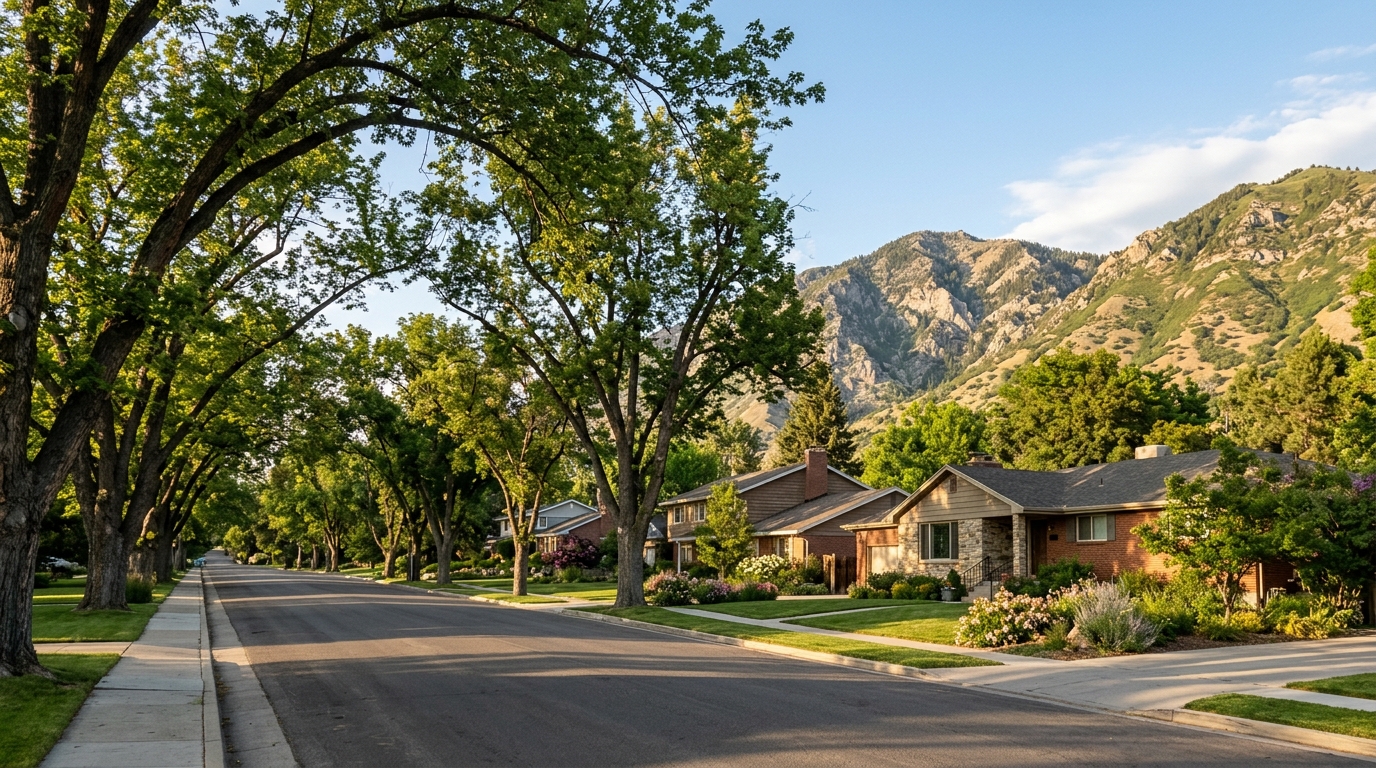
Holladay is a mature, tree-lined city on the east bench of the Salt Lake Valley, tucked at the base of the Wasatch foothills with quick access to the mouths of Big and Little Cottonwood Canyons. It reads as quiet and established rather than new-construction suburban: half-acre lots, older ranches and mid-century homes mixed with newer custom builds, and a walkable village core around 2300 East and Murray-Holladay Road. Day to day, life here has a settled, neighborly rhythm, kids on shaded streets, quick morning drives to the canyon trailheads, and a real village center where you can grab dinner or catch a community event without heading downtown. For buyers, the practical draw is foothill living with Salt Lake County property tax rates, at per-square-foot pricing below Park City.

Living on the East Bench in Holladay

Holladay is one of the southern east-bench communities, sitting between East Millcreek to the north and Cottonwood Heights to the south, with the Wasatch Range forming its eastern wall. The east bench itself runs along the base of the mountains and extends west to roughly 1300 East, so Holladay occupies the upper, foothill-adjacent portion of that band. What that geography buys you day to day is a short drive to canyon trailheads and ski resorts: Big and Little Cottonwood Canyons open just to the south past Cottonwood Heights, putting Alta, Snowbird, Brighton, and Solitude within a reasonable morning drive rather than a weekend expedition.

The housing stock is where Holladay separates itself from newer parts of the valley. Lots are generous, often a quarter to a half acre, and the streets are lined with mature trees that took decades to grow in. You will find original 1950s and 1960s ranches, brick mid-century homes, larger custom estates in the foothill pockets, and a steady stream of tear-downs and rebuilds as buyers replace older homes with new construction on established lots. It is worth understanding that mix: two homes on the same block can differ enormously in age, finish level, and price, so square footage and lot size tell you less here than the specific home's condition and updates.

Pricing in Holladay lands in a useful middle for buyers who want the mountains without Park City numbers. Comparable square footage in Holladay typically prices well below Park City product, and the reason is partly location and partly taxes. Holladay stays on Salt Lake County rates rather than Summit County rates, which is a meaningful annual difference for a luxury buyer weighing a second home or primary residence. The trade-offs between Salt Lake City and Park City come down to whether you prioritize valley access to multiple canyons and a metropolitan core or a resort-town lifestyle at a higher price and tax basis.

The village core around Murray-Holladay Road gives the city a real center, which many east-bench areas lack. Holladay Village has restaurants, a plaza, and community events, so residents are not entirely dependent on driving to Sugar House or downtown for a night out. That said, Holladay is primarily residential and low-density; if you want an urban, walk-everywhere lifestyle, the Sugar House district or the Avenues near downtown will fit better. Holladay is for buyers who want space, trees, and canyon access with a small walkable pocket, not a dense neighborhood grid.

The luxury tier behaves differently from the broader market and is worth calling out.

Address-Level Details Worth Confirming in Holladay

General neighborhood descriptions get you oriented, but a Holladay home purchase turns on a handful of address-specific facts that vary block to block. The single most important check is jurisdiction. Holladay incorporated as a city in 1999, and its boundaries weave around several unincorporated Salt Lake County islands. Whether a given parcel sits inside Holladay city limits or in unincorporated county affects who provides services, which taxing entities appear on the bill, and sometimes which zoning and permit rules apply. Pull the parcel on the Salt Lake County Assessor and Recorder records to confirm the jurisdiction before you fall for a listing description.

A few other items reward an address-level look rather than a neighborhood assumption:

  • address-specific school-boundary record. Holladay is served by the Granite School District, and boundaries do not follow city lines cleanly. Confirm the assigned elementary, middle, and high school directly with the district for the exact address, since two homes a few streets apart can feed different schools.
  • Property tax basis. Confirm the parcel is on Salt Lake County rates and check the current assessed value and any exemptions. This is where the Holladay-versus-Park City math actually lives, so get the real number for the specific home rather than a valley average.
  • Lot and slope. Foothill-adjacent lots above Holladay Boulevard and toward the canyon benches can carry grade, drainage, and access considerations that flat interior lots do not. Review the survey and any geotechnical notes.
  • Historic or design overlays. Holladay itself is not a historic district in the way the Avenues and Yalecrest are, but always confirm no overlay or design-review requirement applies before planning exterior changes on an older home.
  • Home condition versus vintage. Because the stock mixes original mid-century homes with full rebuilds, order an inspection focused on systems: roof, HVAC, electrical panel, and sewer line on the older houses.

Against Cottonwood Heights, the difference is subtle and mostly about canyon proximity and lot character. Cottonwood Heights sits literally at the mouth of Big and Little Cottonwood Canyons, and its high-end inventory clusters in named pockets like Bywater, Canyon Cove, Top of the World, and the foothills above Bengal Boulevard, where lots run a half-acre or more with views straight up at the granite walls of Little Cottonwood. Holladay delivers many of the same foothill benefits, mature trees, quiet streets, and canyon-mouth access, and often at slightly lower pricing for a comparable lot size. If your priority is being closest to the ski canyons, look hard at the Cottonwood Heights foothill neighborhoods; if you want a walkable village core and a more central valley position, Holladay tends to win.

Against the historic Salt Lake City foothill areas, the practical trade-off is finish expectation and price. Holladay gives you comparable foothill lifestyle, canyon access, and mature streets, generally at a lower per-square-foot number for the same finish level than Federal Heights. Buyers deciding here should tour both and compare specific homes, not averages.

When it comes down to it, the choice usually turns on how much lot and privacy you want, Holladay's half-acre parcels are a genuine differentiator from denser east-bench options, and how often you will actually use the canyons, since that is what makes Cottonwood Heights proximity worth its premium. Your finish tolerance matters too, given the old-versus-rebuilt split in the housing stock, and so does the specific parcel's tax and school situation once you pull the records.

For buyers doing broader research, it helps to read about what daily life in Holladay is like alongside the wider east bench Salt Lake City real estate picture, and, if you are relocating, the practical side of moving to Salt Lake City.

Next Step

If Holladay sounds like your kind of neighborhood, I would love to walk you through current homes and the address-level details that matter. Reach out and let's talk it through.

Frequently Asked Questions

Where is Holladay located relative to the Wasatch foothills and the Cottonwood canyons?

Holladay sits at the base of the Wasatch foothills, positioned between the mouths of Big Cottonwood and Little Cottonwood canyons without being directly in either drainage. That placement gives residents relatively quick canyon access for hiking and skiing while still living on valley floor terrain. the practical trade-off is that some streets closer to the bench gain elevation and view corridor, while lower parcels sit in more standard valley conditions.

What types of homes and lot sizes are common in Holladay?

The housing stock leans heavily toward mid-century ranch homes and split-levels on larger lots than you typically find inside Salt Lake City proper, with some parcels running a half-acre or more. Newer infill construction and modest teardown-rebuilds have added contemporary designs alongside the older inventory. Expect variation block by block, lot size, condition, and renovation level differ considerably even within the same zip code.

How does Holladay compare with Cottonwood Heights and Park City on pricing?

Holladay generally carries higher price points than much of Cottonwood Heights due to larger lots and the city's established character, but it tends to come in below Park City, where resort proximity and a separate market dynamic push values higher. The gap between Holladay and Park City can be substantial depending on property type. Buyers weighing those three areas are usually making a trade-off between lot size, commute pattern, and canyon access rather than a straightforward apples-to-apples price comparison.

Is Holladay in Salt Lake County or Summit County for property tax purposes?

Holladay is an incorporated city entirely within Salt Lake County, so property taxes are assessed and administered through Salt Lake County. Summit County, which covers Park City and surrounding areas, has no jurisdiction here. That distinction matters for buyers comparing tax obligations across the Wasatch Front because county mill rates and assessment practices differ.

What should buyers verify by address before deciding on a Holladay home?

Confirm the assigned school boundaries directly with Granite School District, since attendance zones in Holladay do not always follow intuitive geographic lines and can vary street by street. Buyers should also check the specific municipality, some addresses carry a Holladay mailing label but fall within an adjacent jurisdiction, which affects services and zoning. Pulling the county parcel record by address is the most reliable way to confirm city limits, zoning classification, and tax district before making an offer.

Ready to Talk?

Get in Touch with Kamee

Tell her about your goals — she'll get back to you within one business day.

Stay in the Loop

Add Kamee as a Preferred Source on Google

Get Kamee's latest Salt Lake & Park City real estate articles, market updates, and listing previews prioritized in your Google feed.

Contact Me