Salt Lake Valley
9th & 9th
A neighborhood commercial intersection and its residential blocks
Request a Tour9th & 9th: Balance the District with Life on the Block
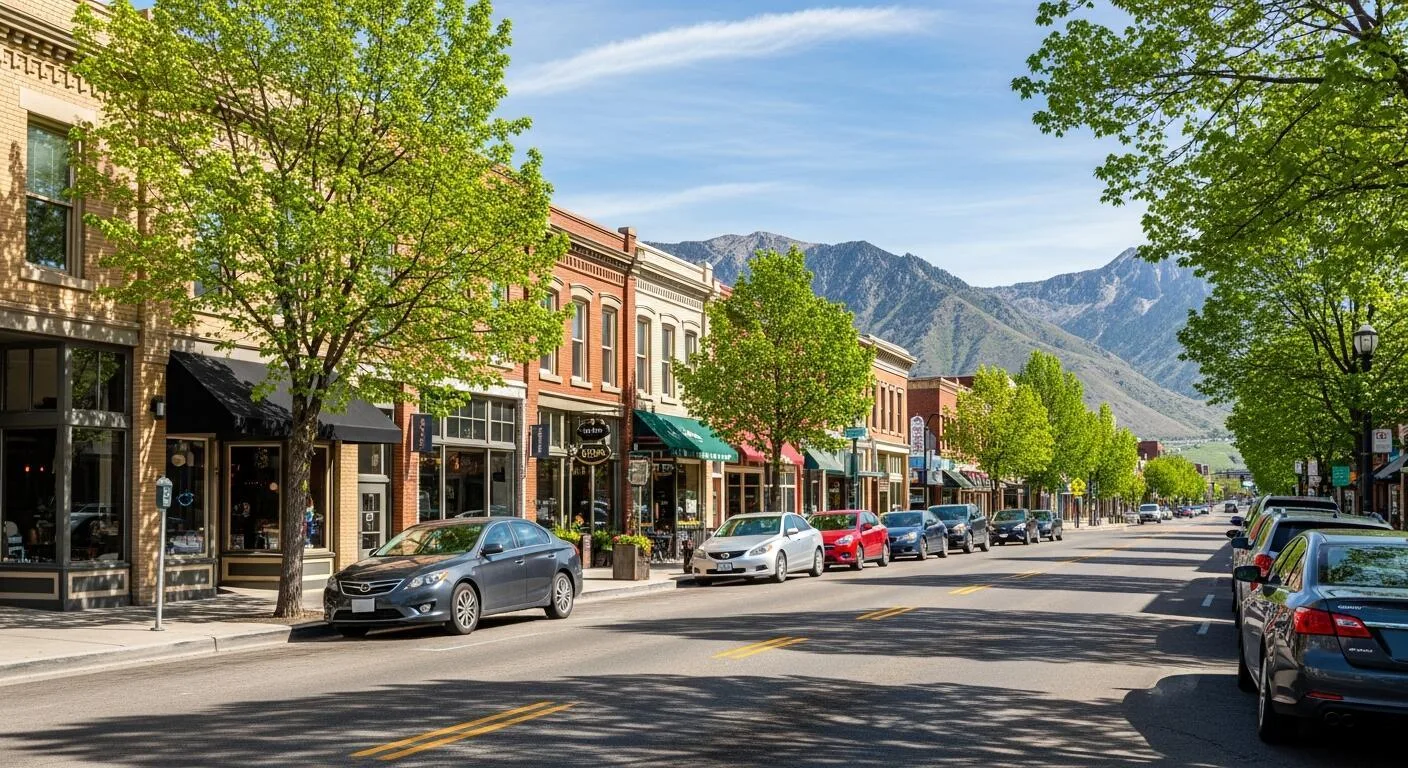
9th & 9th takes its name from the Salt Lake City intersection of 900 South and 900 East and is commonly used for the surrounding commercial and residential area. Restaurants, shops, services, and public activity help define the district, while nearby homes vary in age, form, condition, and exposure to that activity. A useful search weighs access to the district against the practical experience of the particular block.
Location & Daily Life
What Sets the Area Apart
The district can be an attractive reference for a buyer who wants neighborhood destinations close to home. The useful measure is the route to the places you actually use, including crossings, sidewalks, lighting, and the return trip. A home close to a busy intersection can feel different from one farther into residential blocks.
Visit at more than one time. Business hours, deliveries, events, parking, and evening activity affect different properties in different ways. These are conditions to observe, not reasons to label the entire district quiet, busy, safe, or suitable for a particular type of buyer.
Lifestyle
Life in 9th & 9th
Neighborhood Destinations
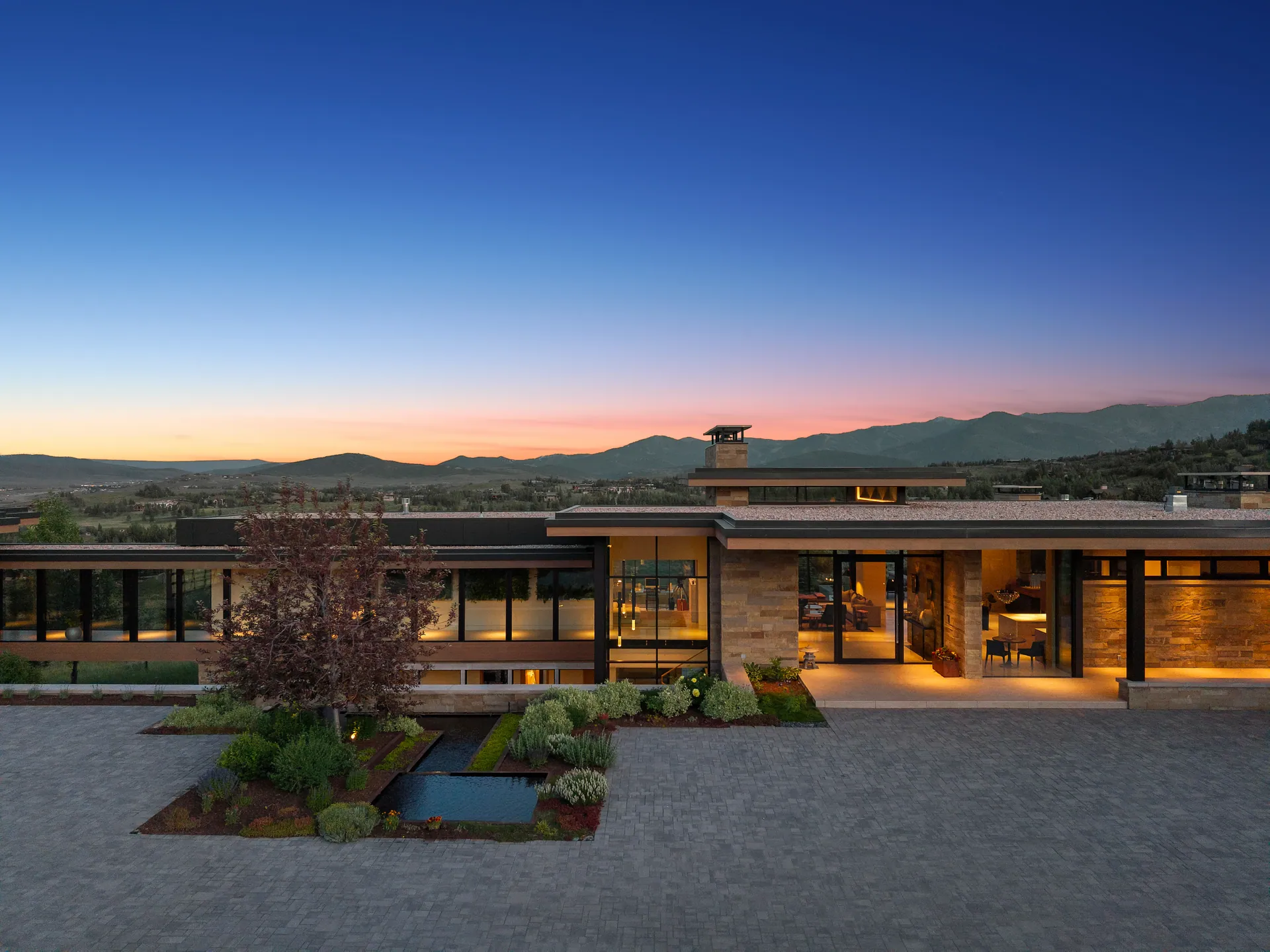
Plan the exact walk to the shops, restaurants and services you use regularly.
Residential Blocks
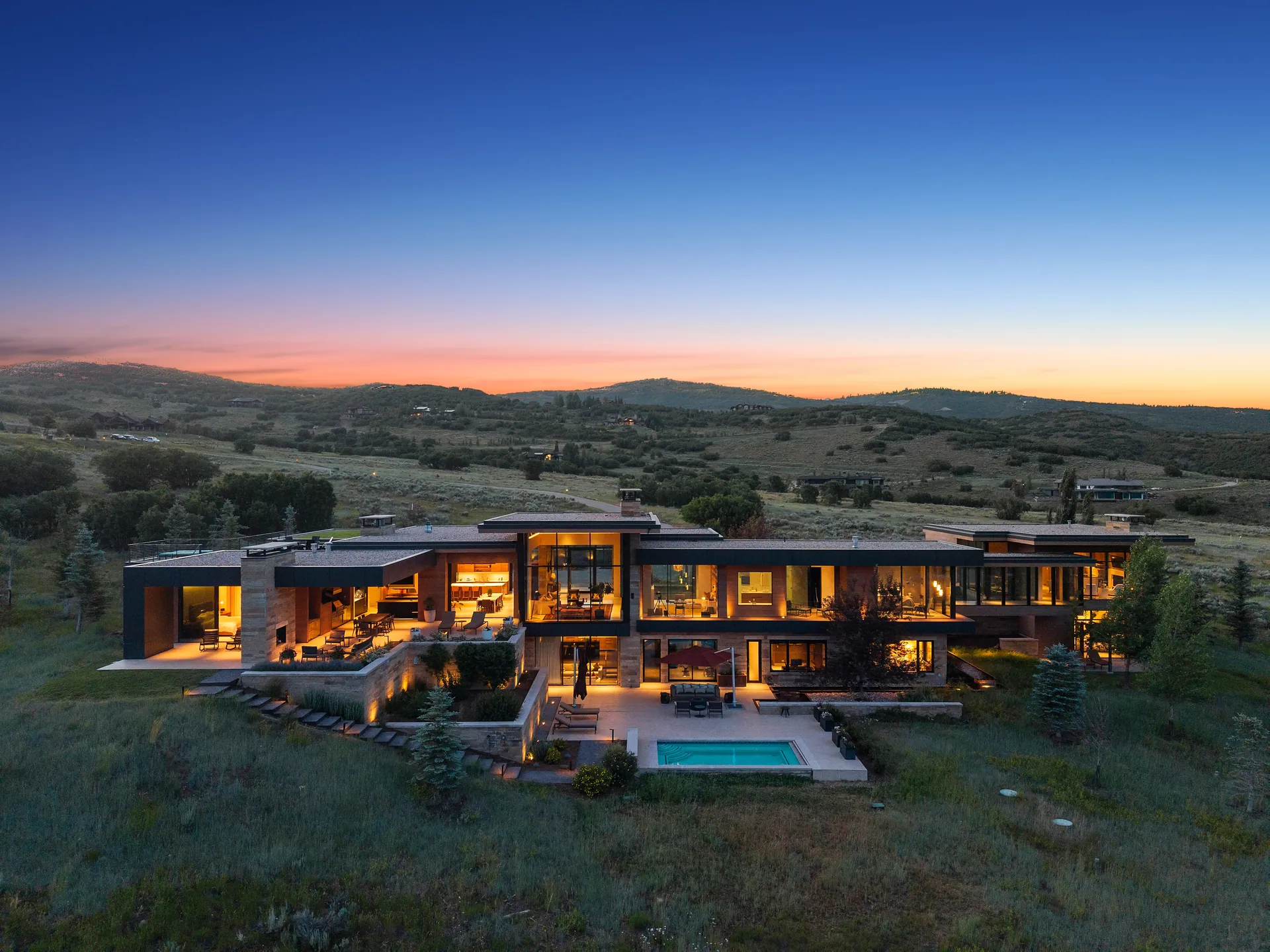
Compare entry, parking, yard and activity at the property during day and evening visits.
City Connections
Use current transit information and actual park entrances for complete route tests.
Inside the Community
Neighborhood Deep Dives
Commercial Core and Residential Street
Separate the appeal of the commercial district from the functioning of the residence. Inspect the entry, private outdoor space, windows facing activity, driveway, garage, and places for deliveries. Consider whether regular visitors or service providers can reach the home as expected.
Current businesses and operating hours can change. Base a purchase on a property that works for you rather than a promise that a particular tenant or venue will remain. Review relevant city project information if nearby construction or a proposed use would affect your decision.
Older Homes and Later Changes
Established houses may retain period details alongside additions or system updates. Review the roof, electrical, plumbing, heating, drainage, and permit history. A refreshed interior does not establish the condition of concealed work or older systems.
If the property is represented as having a second unit, rental space, or flexible live-work use, verify the legal use, permits, zoning, and private restrictions. A separate entry or nearby commercial activity does not establish permission for the buyer’s plan.
Walking, Cycling, and Transit as Complete Trips
Test the route from the actual door to the destination, including intersections, grade, bicycle storage, and the return journey. If transit matters, use the current UTA itinerary for stops, transfers, frequency, and service at the times you will travel.
Liberty Park is one useful public-space reference west of the district. Check the entrance and route you intend to use through the city’s directory. Do not treat every address described as 9th & 9th as equally close to the same park or service.
Parking and Outdoor Use
Test vehicle fit, driveway access, turning room, garage storage, and any shared or alley arrangement. Review the survey and title when access crosses another parcel. Street parking should be observed and checked against current restrictions rather than assumed to be available.
For outdoor space, consider privacy, shade, drainage, noise, and the relationship to neighboring uses. A small yard may be functional for one buyer while another needs a different layout. Review planned fencing, additions, or accessory structures with the city before counting on them.
At a Glance
9th & 9th in Context
| Decision | Near the commercial core | Farther residential block |
|---|---|---|
| Route | Shorter map distance may involve busy crossings | Test the full walk to desired destinations |
| Activity | Observe business hours, deliveries and events | Observe street conditions and nearby uses |
| Parking | Check restrictions and private arrangements | Check actual availability and property access |
| Home fit | Privacy, windows and outdoor space | Same condition and layout review as any finalist |
Long-Term Outlook
Ownership Costs & Market Context
Compare homes of similar form, condition, legal use, parking, and location relative to the commercial area. A district name or walkability claim does not establish a fixed premium.
Budget for older systems, maintenance, insurance, taxes, and any proposed work. Attached or shared ownership adds documents and obligations to review. Confirm rental or business-use permission before assigning income to a property.
Schools & Future
Schools & Daily Planning
Confirm school assignment, enrollment, and transportation for the precise address. The common district name does not establish an attendance boundary.
Think through ordinary routines: groceries, work, visitors, deliveries, bike storage, and evenings at home. Choosing the right block is as important as being near the intersection.
Frequently Asked
Frequently Asked Questions
It refers to the 900 South and 900 East intersection and the surrounding area in common usage. Use the exact parcel for legal and regulatory decisions.
No. Test actual routes, crossings, sidewalks, grade, and destinations from the property.
Do not infer permission. Confirm the property’s zoning, legal use, permits, and any applicable restrictions for the activity you intend.
Inspect private access and vehicle fit, review any shared rights, and check current street restrictions and conditions.
Visit at the times you expect to use the home and district, including a weekday and an evening relevant to your routine.
More to Explore
More Salt Lake Valley Neighborhoods
Work with Kamee for elevated representation
Compare properties, understand the documents, and plan your next move with representation tailored to your priorities.
Let's Connect