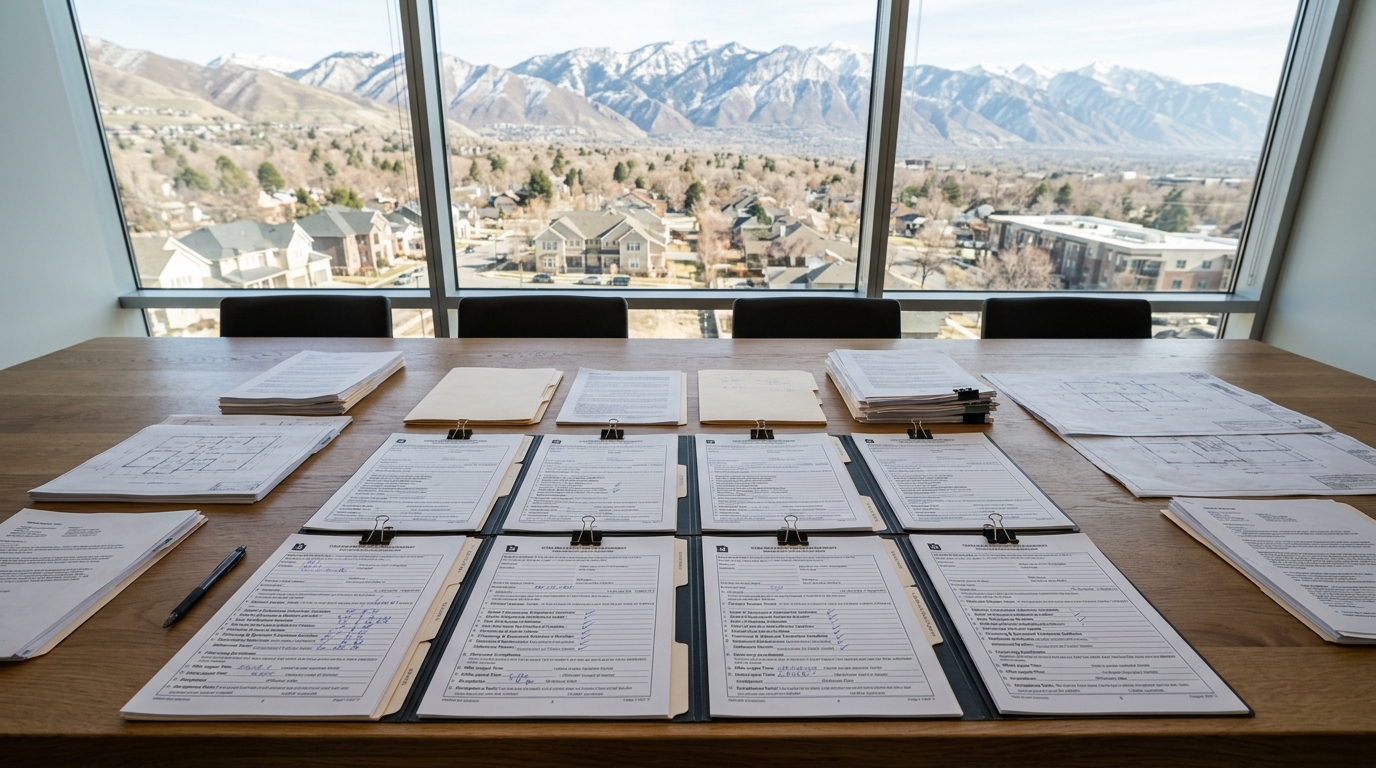
The best offer on your Salt Lake City home is the one whose proceeds, conditions and moving timeline work best together for you. Start with the complete written offers, estimate what you would receive under each, and identify what could prevent or delay closing. A higher price deserves attention, but it does not answer those other questions.
Tell Kamee Shrope which tradeoffs matter most before deciding: your minimum workable proceeds, your next purchase, the date you need to move and your ability to absorb a delay. Those priorities give the comparison a purpose beyond ranking prices.
Compare the money before the headline
Use the same assumptions for mortgage payoff and selling expenses in each estimate. Separately identify credits or other payments requested by a particular buyer. Ask the closing team to refine the estimate as actual amounts become available.
Here is a hypothetical comparison, not a description of local prices, customary fees or actual offers. Assume a $310,000 mortgage payoff and $30,000 in other selling expenses for either offer. Those expenses exclude the buyer credit shown separately; the amount is not a commission quote.
| Proposed term | Offer A | Offer B |
|---|---|---|
| Purchase price | $625,000 | $618,000 |
| Seller credit requested by buyer | $12,000 | $2,000 |
| Price after that credit | $613,000 | $616,000 |
| Assumed payoff and other expenses | $340,000 | $340,000 |
| Illustrative seller proceeds | $273,000 | $276,000 |
Offer B leaves $3,000 more under these assumptions, despite its $7,000 lower price. Now consider a second difference: suppose B requires possession before your next home is available, while A allows a separately negotiated move-out arrangement that fits your schedule. Price the alternative housing and moving costs before deciding whether B's proceeds advantage is meaningful to you.
The example stops short of choosing a winner because the unanswered possession terms matter. That is the point of a useful comparison: it shows which missing detail could change the decision.
Keep the Utah contract choices distinct
The state's Real Estate Purchase Contract, effective December 4, 2024, separates due diligence, appraisal and financing conditions. Appraisal and financing share a deadline field but are not the same protection. Section 24 supplies party-completed dates; Section 21 generally sets 5 p.m. Mountain Time for date-based performance unless otherwise stated. Section 23 requires both signature and communication for acceptance. The parties may amend the form or use another agreement, so review the signed version and addenda.
Ask what each selected condition means for this offer, rather than labeling it simply “contingent.” For example, a financed buyer may still have a different appraisal arrangement from another financed buyer. If an offer depends on selling the buyer's current home, ask what stage that sale has reached and how the dependency is addressed.
The NAR guide to contract contingencies provides general background on inspection, financing, appraisal and home-sale conditions. Use it for orientation, then have your agent or attorney explain the rights, notice requirements and consequences in your actual offer.
Examine funding and deposits without assuming certainty
For a financed buyer, ask what the lender has reviewed, which conditions remain and whether the proposed dates are realistic. If the buyer intends to cover an appraisal shortfall, examine the written commitment and the funds supporting it. An enthusiastic promise is not the same as documented ability to perform.
For a cash buyer, request appropriate evidence of available funds and read the remaining conditions just as carefully. Cash can remove a loan dependency without removing every source of delay or disagreement.
Review earnest money separately from price. It is part of the purchase funding, not an extra amount to add to your proceeds. Ask when it is due, whether another deposit is proposed, and how the agreement treats it if the transaction ends. A larger deposit is not a reason to assume that every cancellation would let you keep it.
Make the dates fit the move
Put the proposed disclosure, due-diligence, financing/appraisal, settlement and possession milestones next to your own commitments. Highlight dependencies such as a replacement purchase or a tenant's occupancy. A short timeline is only helpful if the people and funds needed to complete it can be ready.
Ask the closing team when proceeds would be available for your next transaction. Ask your agent to explain the distinction between the contract's settlement, closing and possession provisions. Do not schedule your move solely from a date labeled “closing” on an informal summary.
If a buyer proposes that you remain after closing, discuss the actual written arrangement, including payment, insurance, security, utilities, condition and the move-out date. A favorable possession term can solve a genuine problem, but it also creates responsibilities worth understanding.
Choose a response you can explain
Review the offers against the same priorities. You might favor stronger estimated proceeds, a better-documented funding plan, or a possession arrangement that avoids an expensive temporary move. Explain why that difference matters to you rather than assigning a speculative probability of closing.
If a counteroffer would address the problem, identify the exact change you want. That could be a different credit, a revised date or clarification of a condition. Have the proposed response and any effect on the existing offer explained before signing, and keep the offer's expiration time in view.
Keep the decision centered on objective transaction terms. There is no need to infer a buyer's reliability from a personal story when the offer, funding documentation and contract questions are what you need to evaluate.
Compare your Salt Lake City offers with Kamee Shrope. Bring the complete offers and your moving priorities so the discussion can focus on the proceeds, obligations and timeline you are actually choosing.