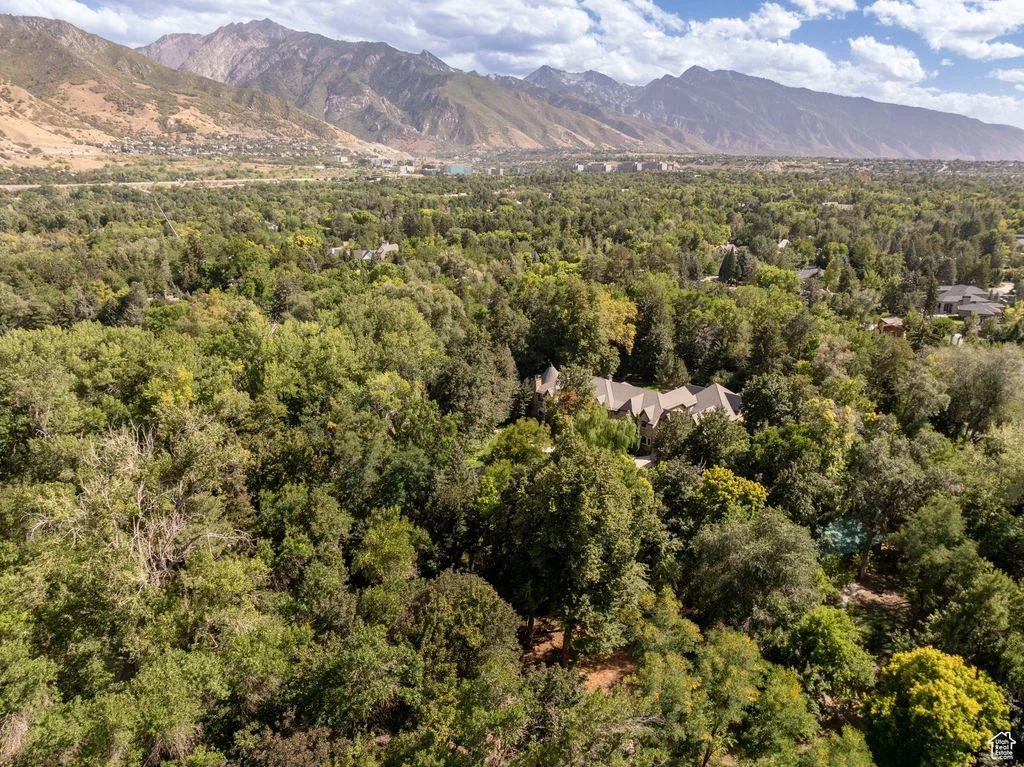
The Preserve: Understand the Land Before the House Plan
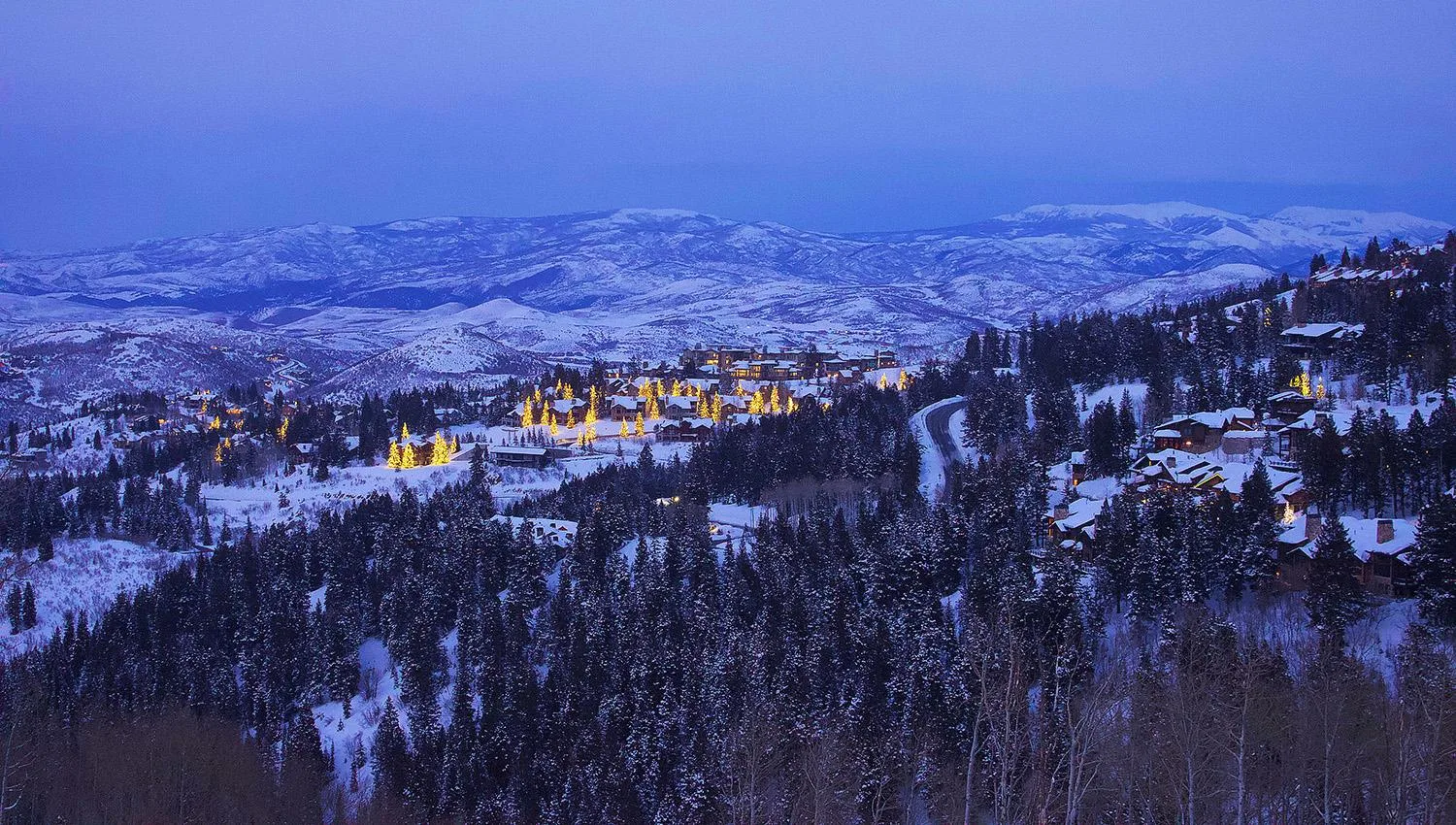
The Preserve is a residential community in the Park City area whose official FAQ describes 83 homesites across more than 1,700 acres, elevations from 6,400 to 7,900 feet, and 11 miles of private trails. Its appeal centers on land, terrain, and a quieter residential setting rather than a resort base or golf-club program. Those published community figures help orient a search; the parcel documents determine the actual building, use, and maintenance rights.
Location & Daily Life
What Sets the Area Apart
The Preserve offers a different choice from Promontory, Glenwild, or a ski-base residence. A buyer is assessing a home or homesite within a land-focused community, with private trails and community rules as central considerations. Resort visits and outside club memberships should be planned separately.
Keep The Preserve distinct from similarly named developments. Ranches at the Preserve states that it is not affiliated with The Preserve or Glenwild. A shared word in a listing description does not establish the same association, services, covenants, or amenities. Confirm the legal subdivision and governing organization for the parcel.

Lifestyle
Life in The Preserve
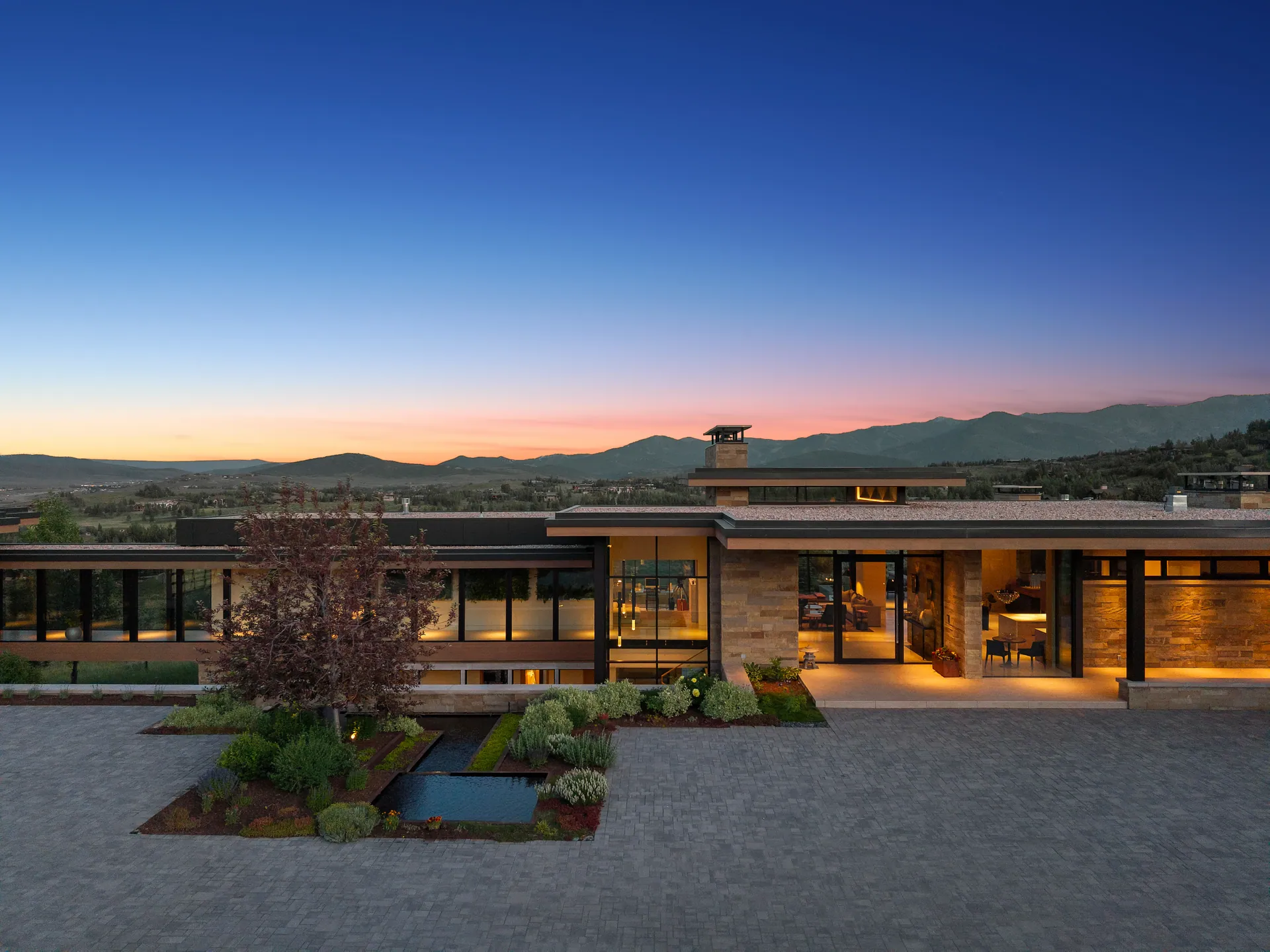
Private Trails
The community FAQ describes 11 miles of trails. Confirm permitted uses and access for the parcel.
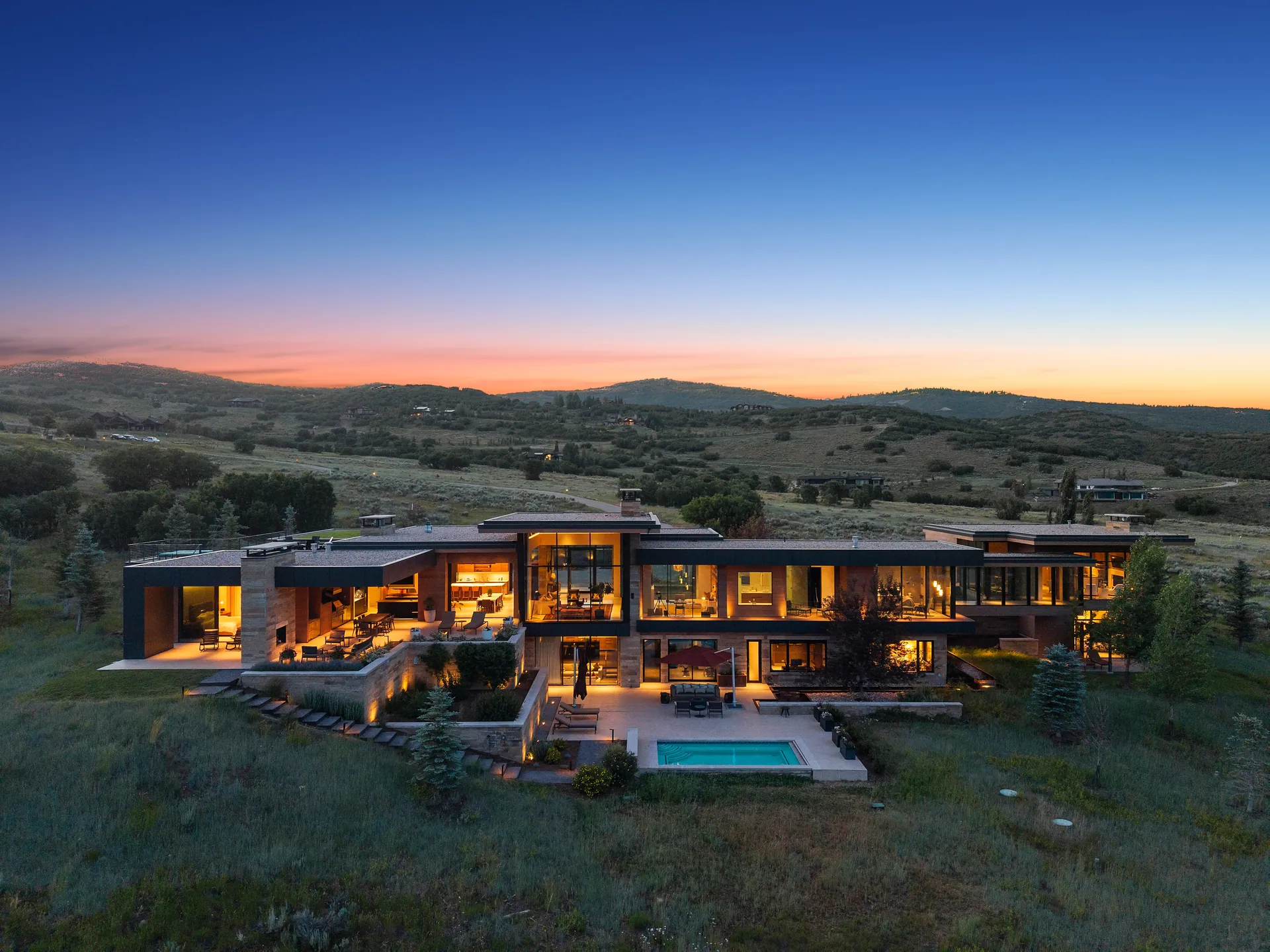
Land & Design
Building envelopes and site conditions shape what a buyer can create or change.
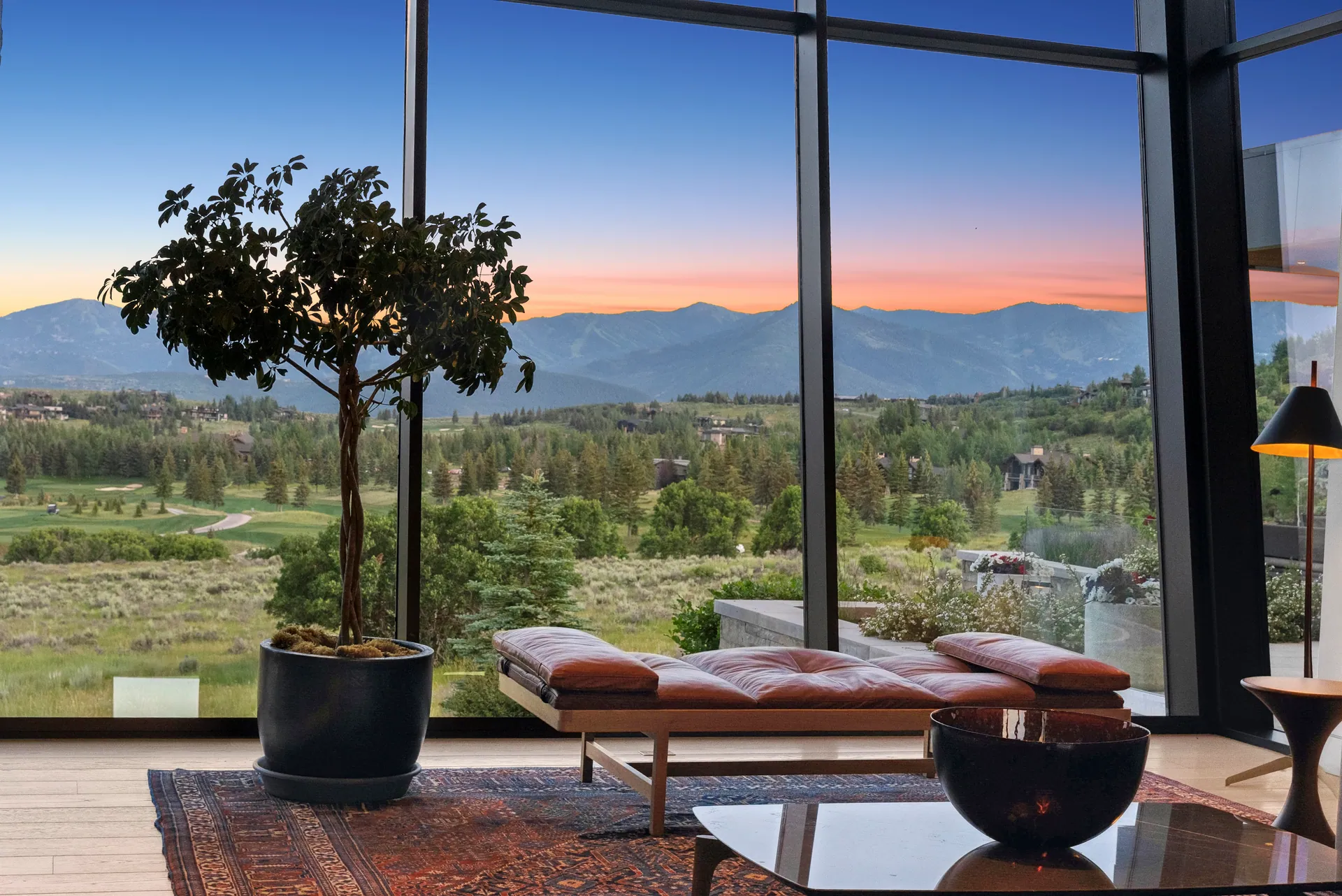
Regional Recreation
Resort visits and other regional activities require separate travel and access plans.
Inside the Community
Neighborhood Deep Dives
Homesites, Terrain, and Design
Begin with the building envelope, plat, survey, setbacks, utilities, and design-review requirements. The parcel’s total acreage does not tell you how much can be developed, fenced, landscaped, or used for an accessory structure. Slope, drainage, access, and geotechnical conditions can affect the house plan and the construction budget.
For an existing home, review approved plans, permits, inspections, and maintenance history alongside a physical inspection. Outdoor spaces and views should be examined from the actual property. Recorded restrictions may protect certain land uses without guaranteeing every view or preventing all neighboring construction.
Conservation and Community Governance
The official FAQ describes the community’s land and open-space framework, including open space in Morgan County. Treat that description as an introduction, then obtain the current recorded covenants and any easements affecting the specific property. Those instruments explain what is restricted, who has rights, and how responsibilities are allocated.
Ask how design review, landscaping, lighting, fencing, vegetation, and trail stewardship are handled. Avoid treating conservation language as a financial guarantee or an absolute promise that rules can never change. A title and document review should establish the relevant obligations before a buyer commits.
Private Trails and Equestrian Questions
The Preserve’s FAQ identifies an 11-mile private trail network. Confirm permitted activities, access points, seasonal conditions, maintenance, and any connection outside the community. An informal trail or a nearby public route does not necessarily create a legal connection from the property.
Some parcels may support equestrian use, but that is not a community-wide permission. For a horse-focused purchase, establish zoning, covenants, usable land, permitted structures, water, fencing, manure management, access, and the suitability of the site with the relevant authorities and advisers.
Daily Life Beyond the Property
The Preserve is not a ski-in/ski-out resort community. Test the route from the home to the resorts, Kimball Junction, work, healthcare, groceries, and the airport. Include the internal road and driveway in the trip, and assess winter access rather than relying on a single neighborhood travel time.
Wildlife and the mountain landscape are part of the setting, but wildlife sightings and uninterrupted quiet cannot be promised. Review vegetation management, drainage, insurance, emergency access, and property-care arrangements. A land-focused home can require a different level of ongoing attention from a condominium.
Existing Home or Land Purchase
An existing home lets a buyer inspect the actual layout and operating systems, while a homesite requires a forward-looking design, approval, and construction process. Compare the full commitment rather than the asking prices alone. Include carrying costs during construction and obtain current professional estimates.
For either route, identify who maintains roads, trails, drainage features, and common land, and which costs fall on the owner. Check current dues, reserves, assessments, and service contracts. A community without a golf-club program still has ownership obligations that need to be understood.
At a Glance
The Preserve in Context
| Decision | The Preserve | Promontory / Glenwild | The Colony |
|---|---|---|---|
| Primary focus | Land, homesites and private trails | Residential property plus a club decision | Mountain estates and Park City Mountain access |
| Ski routine | Travel to a resort | Travel to resorts or member lodges | Verify the individual home’s ski route |
| Document priority | Covenants, envelope, easements and site | Property, association and membership | Property, association and access rights |
| Budget emphasis | Land, home, services and site work | Home obligations and separate club costs | Estate operations and access-related upkeep |
Long-Term Outlook
Ownership Costs & Market Context
Compare current sales by parcel rights, improvements, condition, usable site, and access. Community acreage and homesite counts do not establish current inventory or resale speed. A conservation-oriented setting does not guarantee appreciation.
Prepare a budget that includes association obligations, utilities, insurance, road and snow responsibilities, home and land maintenance, and capital work. For a homesite, add design, engineering, approvals, connections, construction, and the costs of holding the property before occupancy.
Schools & Future
Schools & Daily Planning
Confirm district assignment for the precise parcel, particularly when comparing properties across jurisdictional boundaries. Review enrollment and program availability directly and test the route from the home.
Check utilities, internet, deliveries, emergency access, and seasonal maintenance before assuming the property will function like an in-town home. For occasional use, arrange regular inspections and a local response plan.
Frequently Asked
Frequently Asked Questions
The Preserve FAQ describes 83 homesites, more than 1,700 acres, and 11 miles of private trails. These are published community figures, not current inventory or parcel specifications.
No. Plan resort visits as separate trips and test the current route from the property.
No. Ranches at the Preserve states that it is not affiliated with The Preserve or Glenwild. Confirm the legal subdivision and association before comparing rights.
Do not assume so. Check the parcel’s zoning, covenants, permitted structures, water, usable land, and access before relying on equestrian use.
No. Review the recorded restrictions for their actual effect on land use, then evaluate price and ownership costs through current property-specific evidence.
Obtain the plat, building envelope, survey, covenants, design guidelines, utility information, engineering advice, approval requirements, and a current construction budget.

Work with Kamee for elevated representation
Compare properties, understand the documents, and plan your next move with representation tailored to your priorities.
Let's Connect