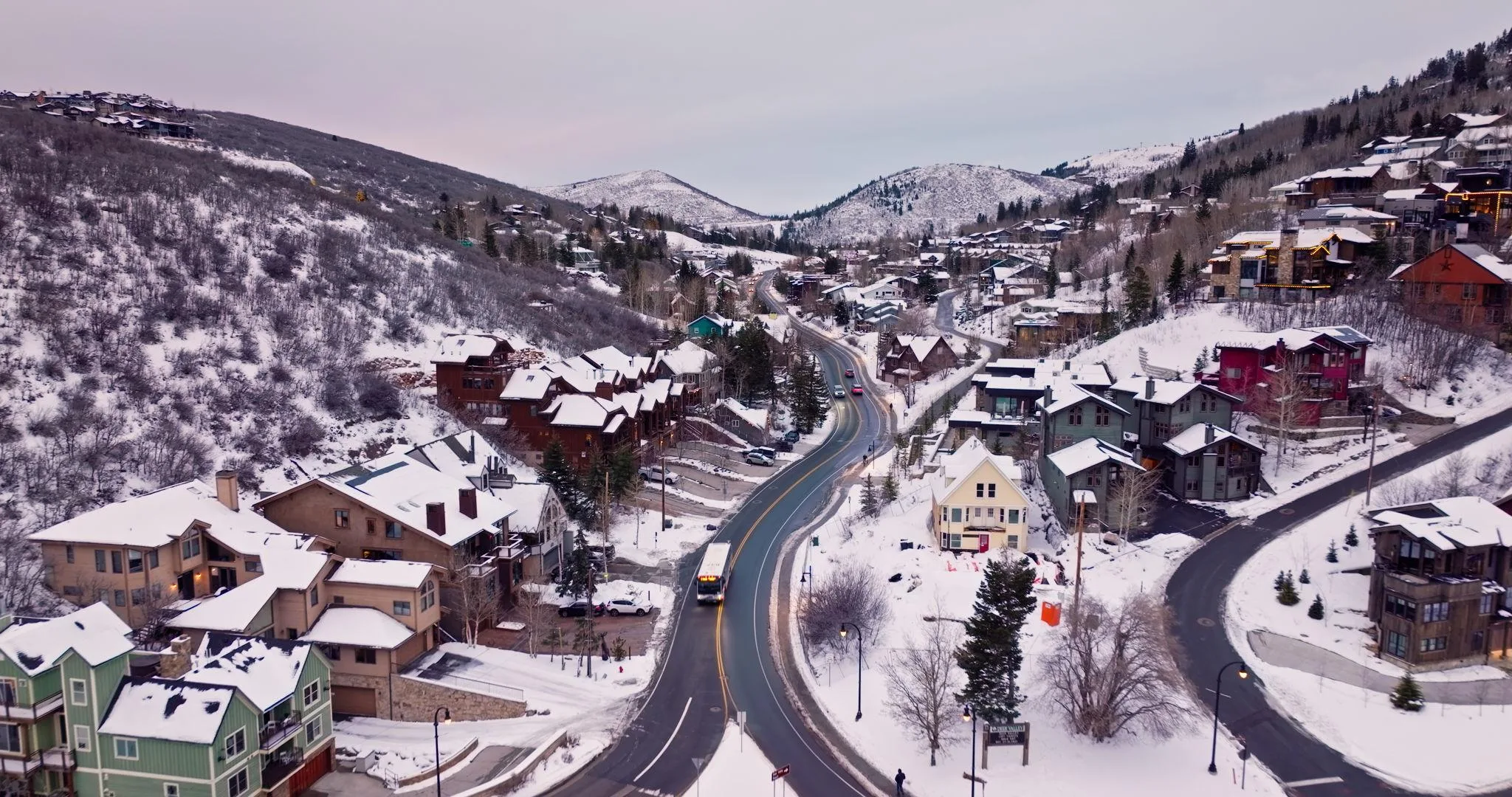
Lower Deer Valley: Life Around Snow Park
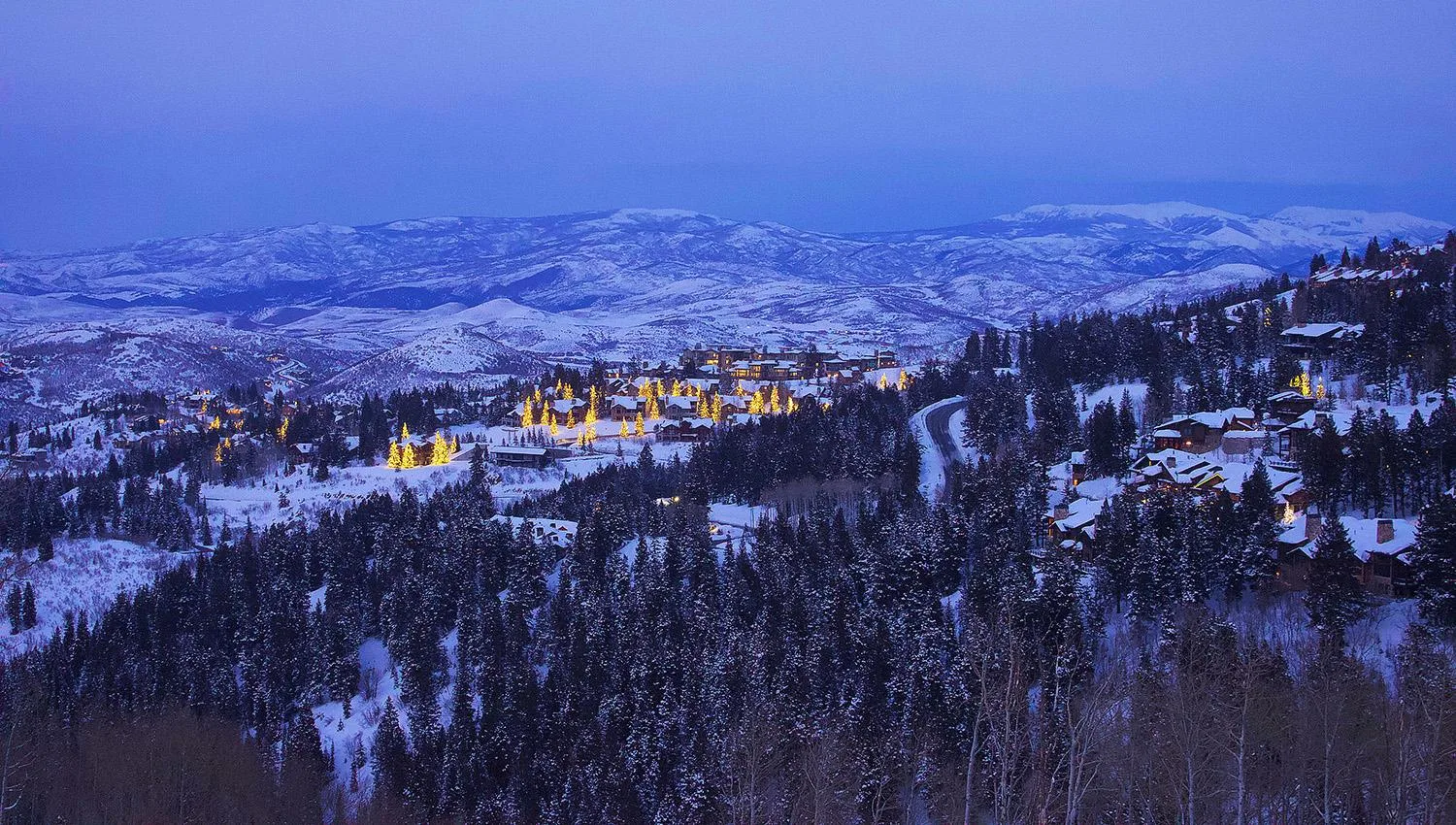
Lower Deer Valley combines resort-adjacent condominiums and townhomes around Snow Park with hillside houses in settings such as Solamere, Hidden Meadows, and The Oaks. That variety is its central buying consideration: a home close to the base, a residence served by a shuttle, and a house above the village can produce very different ski days, maintenance responsibilities, and everyday routines. Start with the setting you want, then compare the exact route, building services, and ownership documents.
Location & Daily Life
What Sets the Area Apart
The Snow Park base gives Lower Deer Valley a different focus from Silver Lake Village higher on the mountain. Buyers can compare a village-oriented arrival and resort services with the space and separation of nearby hillside homes. Proximity alone does not establish ski-in/ski-out access: a short shuttle ride, a walk in boots, and a direct ski route are different arrangements.
Lower Deer Valley also works as a starting point for Park City errands and Main Street visits. Test the trip from the home rather than applying one travel time to the area. A winter weekend arrival, a school morning, and a summer evening can involve different traffic, parking, and transit choices. Include luggage, groceries, ski equipment, and guests in the tour plan.

Lifestyle
Life in Lower Deer Valley
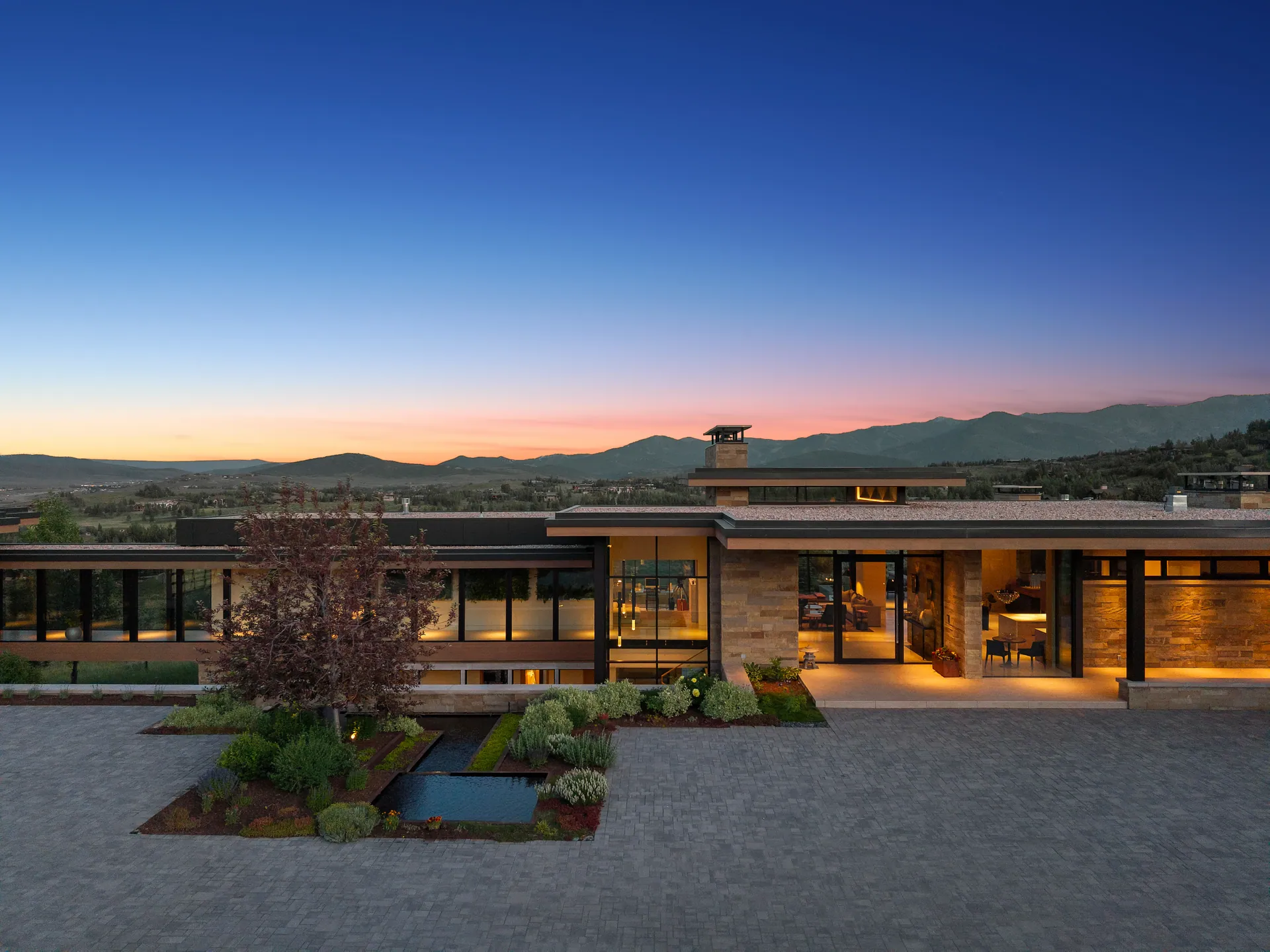
Resort Days
Snow Park is the local resort focus. Compare the actual walk, shuttle, parking, and ski route from each home.
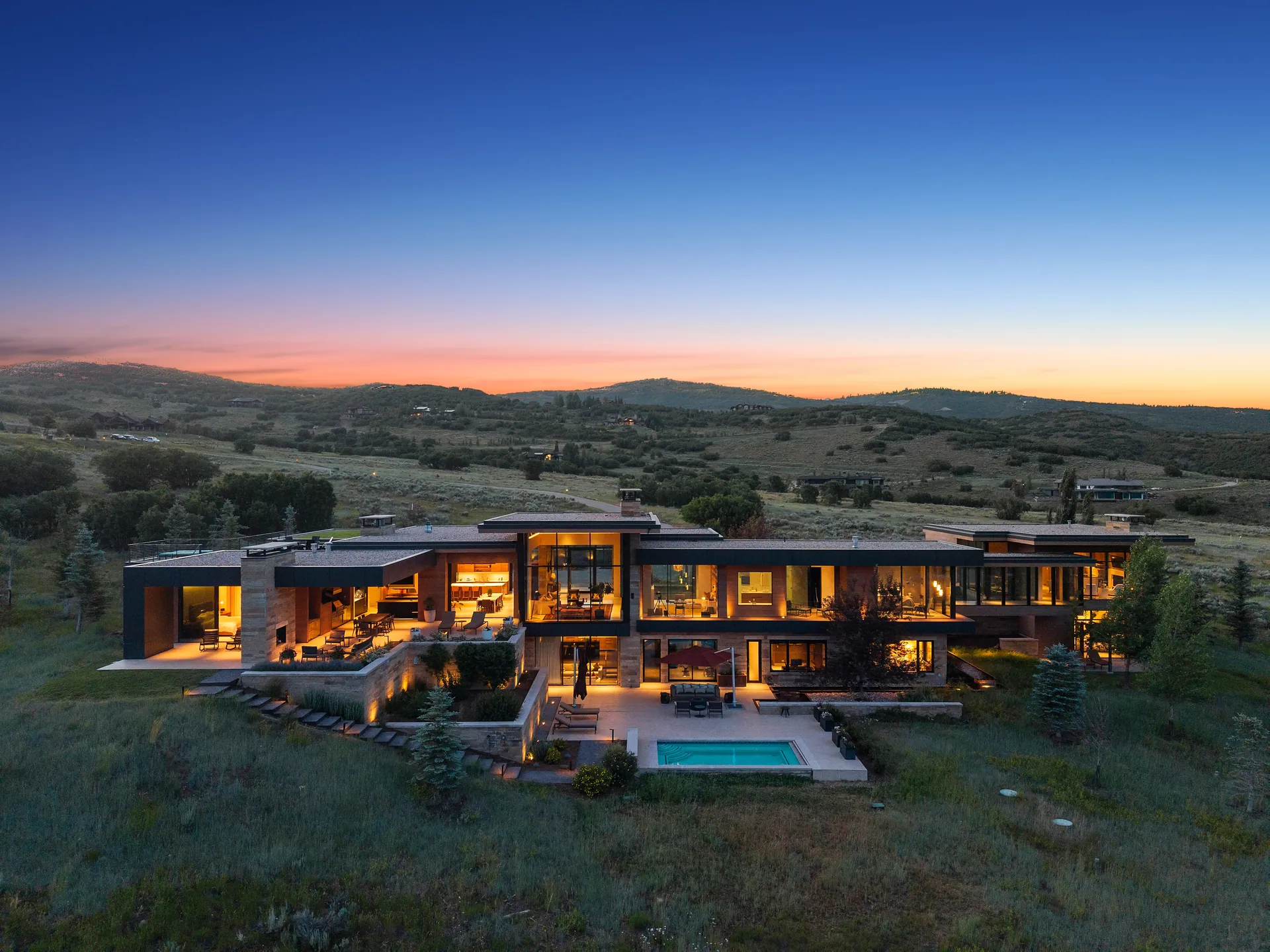
Park City Evenings
Main Street adds dining and cultural destinations. Test the route and return trip from the property.
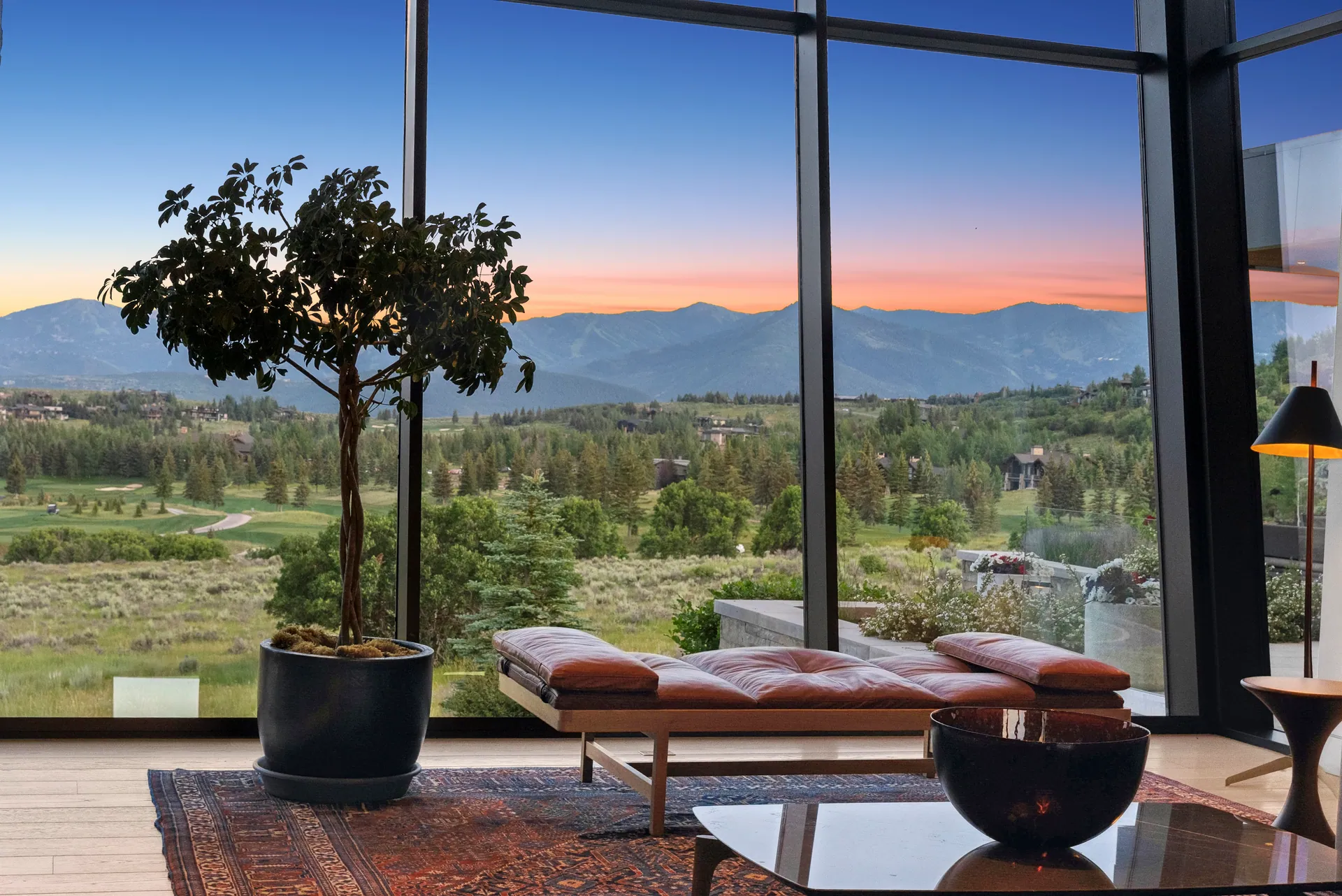
Summer Outdoors
Use Deer Valley’s seasonal activity and trail information to plan biking, hiking, and scenic visits.
Inside the Community
Neighborhood Deep Dives
Condominiums, Townhomes, and Hillside Houses
Fawngrove, Comstock Lodge, Powder Run, Pinnacle, and Lakeside are useful names for orienting a search, but their buildings and ownership arrangements should be compared individually. Ask where the residence sits within the complex, whether parking and storage are assigned, what exterior work the association handles, and how a guest reaches the entry in snow. Renovation history and reserve funding can matter as much as the interior finishes.
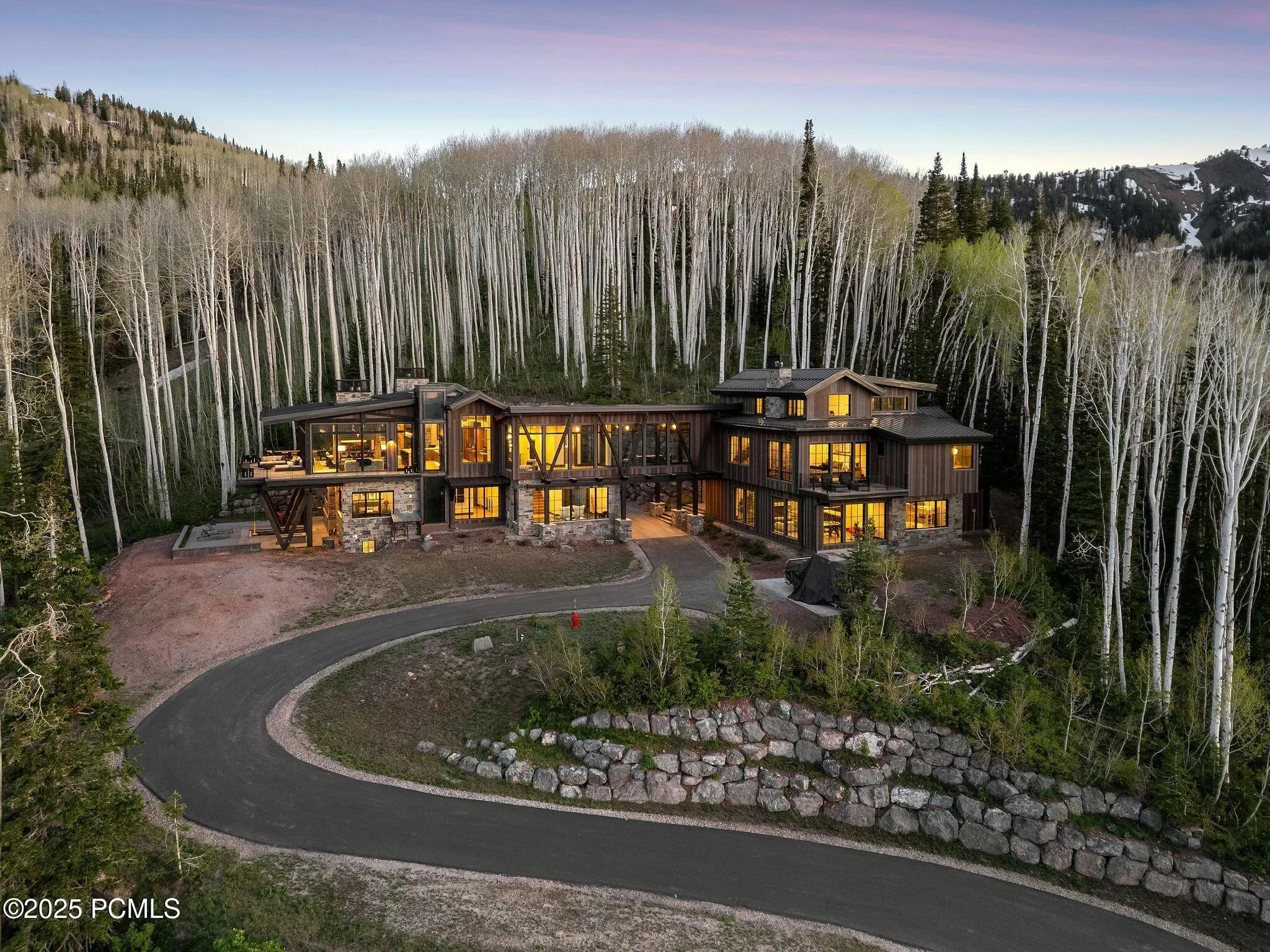
For a house in Solamere, Hidden Meadows, The Oaks, or another hillside setting, walk the driveway and outdoor areas. Look at slope, drainage, sunlight, retaining structures, and room for snow storage. Determine which roads and surfaces the owner maintains and what equipment or contractors the site needs. Lot area is not the same as usable outdoor area or an approved building envelope.
Snow Park Access and Redevelopment
Deer Valley describes Snow Park Village as a planned transformation of the base, including pedestrian areas, shops and dining, parking, transit facilities, and slopeside access. Separate the published plan from what is operating on the date of your visit. A future amenity should not be counted as a current service or used to promise appreciation.
Before an offer, document the present route to the lodge, any construction detours, the closest usable transit stop, and the property’s parking arrangements. Ask the association about notices it has received and compare those with the resort’s current project materials. Keep dated maps or correspondence when access is central to the decision.
Summer Recreation and a Year-Round Routine
Deer Valley publishes seasonal information for mountain biking, hiking, and scenic activities. Check the current operating calendar and the trail connection you would actually use. Resort proximity does not create a private trail easement, and a winter ski route is not automatically a summer walking or biking route.
Main Street, the Park City Library, and the municipal recreation center can broaden life beyond the resort. During a tour, include the errands and recreation you expect to repeat rather than judging the area solely on a ski-day itinerary. For second-home use, arrange property checks and snow management before leaving the home unoccupied.
At a Glance
Lower Deer Valley in Context
| Decision | Snow Park-area residence | Hillside house | Silver Lake-area alternative |
|---|---|---|---|
| Arrival | Building entry, parking and resort route | Driveway slope and snow management | Mid-mountain road and building arrival |
| Ownership | Association and building services | Site and home maintenance | Association or house-specific responsibilities |
| Ski day | Walk, shuttle or direct route varies | Usually requires an access plan | Village proximity still requires route verification |
| Tour emphasis | Storage, common areas and noise | Usable land, drainage and driveway | Entry level, ski storage and actual lift route |
Long-Term Outlook
Ownership Costs & Market Context
Compare like-for-like closed sales: a serviced condominium, an established townhome, and a hillside house carry different costs and rights. Review the current dues, reserves, insurance responsibilities, assessments, rental restrictions, and any management agreement for an attached residence. For a detached home, obtain a maintenance and insurance picture appropriate to the site and systems.
If rental use matters, establish both the local permission and the association’s restrictions before projecting income. Obtain a property-specific operating budget that includes vacancy, management, cleaning, repairs, utilities, insurance, taxes, and capital work. An advertised nightly rate or a resort redevelopment plan does not establish net income or future value.
Schools & Future
Schools & Daily Planning
Use the current district boundary lookup for the exact address and confirm enrollment or program availability directly. A neighborhood description cannot establish a current feeder pattern. Test the school trip in the same way as work and resort routes.
For full-time living, compare grocery trips, healthcare, deliveries, and winter access. For occasional use, confirm who will receive deliveries, inspect the property, and respond to maintenance issues. These routines distinguish an attractive vacation setting from a workable ownership plan.
Frequently Asked
Frequently Asked Questions
No. Confirm the exact route, any easement, terrain requirements, and seasonal operation. A shuttle or nearby lodge is a different arrangement from direct ski access.
Compare resort-adjacent condominiums and townhomes with hillside single-family homes. Building services, maintenance, parking, and the route to Snow Park are useful ways to narrow the choice.
Deer Valley publishes the project’s plans and current updates. Check those materials and conditions at the property rather than treating future facilities as available today.
Use current comparable closed sales with the same property form, condition, location, services, and included rights. Add the residence’s carrying costs and any planned capital work.
Check the exact address through the school district and confirm the current enrollment process and any requested program directly.
More to Explore
More Park City Communities
Work with Kamee for elevated representation
Compare properties, understand the documents, and plan your next move with representation tailored to your priorities.
Let's Connect