Relocation · Holladay Pockets
Best Neighborhoods in Holladay
A practical guide to Holladay’s distinct pockets — wooded estate streets, walkable village-adjacent blocks, and the school-boundary considerations that shape value.
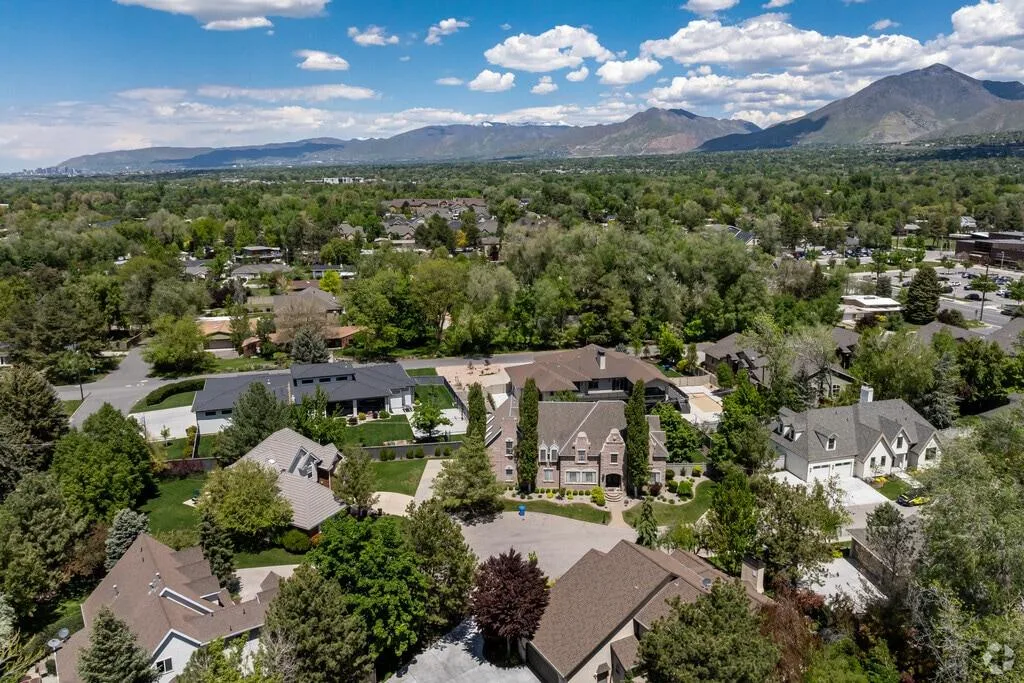
Holladay is one of Salt Lake County's most established upscale residential cities, but within the city the neighborhoods behave differently. Streets near Holladay Village, the wooded eastern benches, the canyon-adjacent corridors, and the western edge of the city each carry distinct character and price patterns.
Kamee Shrope, a Global Real Estate Advisor with Engel & Völkers Salt Lake City, represents Holladay buyers and sellers. The framework below covers how to think about Holladay's pockets.
How to Think About Location Within Holladay
The right Holladay pocket depends on lifestyle priorities — walkability to Holladay Village, proximity to canyons and outdoor access, lot size and character, and school-district considerations.
Lifestyle Pockets
The streets immediately around Holladay Village at 2300 East and Murray Holladay Road place restaurants, coffee, retail, and city offices within a shorter trip for some addresses. Check the actual sidewalk, crossing, grade, and route from a candidate property rather than treating the entire city as walkable.
The eastern benches have more terrain, tree cover, and larger parcels in places, while central and western streets contain a broader mix of lot sizes and housing eras. A useful tour compares usable outdoor space, shade, drainage, street traffic, and maintenance needs as carefully as interior finishes.
Home Styles
Holladay housing includes 1950s-1970s mid-century ranchers and split-levels in central portions of the city, 1980s-2000s custom homes on larger lots, and newer transitional and contemporary custom builds. Architectural condition and renovation quality vary substantially from property to property.
Lot sizes run from quarter-acre on the more central streets to acre-plus on the eastern hillside benches. Mature landscaping is common across most of Holladay; the city's wooded character is a meaningful part of its residential appeal.
Access and Convenience
Holladay Village sits at the 2300 East and Murray Holladay Road crossroads. Its restaurants, shops, and city services provide a recognizable center, while many other Holladay streets are primarily residential and require driving for errands.
For canyon recreation, test the route from the actual property and check weather, road controls, parking, and seasonal conditions. For daily travel, compare the specific connection to Cottonwood Heights, Sugar House, or downtown at the times you expect to use it.
What Different Buyers Value Most Here
Buyers often compare village-adjacent streets, wooded eastern benches, and central mid-century blocks because the walking routes, lot upkeep, home age, and canyon access differ. School assignment, enrollment, transportation, and programs vary by address and can change; use Granite School District's current lookup and confirm directly with the school.
For larger properties, compare parcel usability, irrigation, mature-tree care, renovation scope, and any slope or drainage considerations. For a lower-maintenance search, compare the building systems and outdoor workload with the convenience of the village crossroads.
See Living in Holladay, Best Realtor in Holladay, or reach out.
Common Questions
Best Holladay Areas FAQ
- What is the best part of Holladay to live in?
- Holladay has distinct settings rather than one universal best area. Village-adjacent streets offer a shorter trip to the 2300 East and Murray Holladay Road crossroads; eastern benches can offer more terrain and tree cover; central blocks contain varied mid-century homes. Compare the actual property, route, lot, and upkeep requirements.
- What schools serve Holladay?
- Most Holladay addresses are served by Granite School District, but assignment, enrollment, transportation, and programs vary by address and can change. Use the district's current boundary lookup and contact the relevant school before relying on an assignment.
- How does Holladay compare to Cottonwood Heights?
- Adjacent and share the canyon-access character but with distinct profiles. Holladay is the more established upscale residential city — wooded estate lots, walkable Holladay Village, architecturally significant mid-century and custom homes. Cottonwood Heights is more directly oriented to the canyons with newer infill construction and a more diverse housing stock.
- What price range do Holladay homes run?
- Holladay includes mid-century homes, later custom construction, and larger wooded parcels, each with different condition and maintenance considerations. Compare current listings and recent sales that match the address, lot, home size, renovation level, and setting of the property you are considering.
- Is Holladay walkable?
- Holladay Village at 2300 East and Murray Holladay Road has restaurants, retail, and city services. Walkability from a particular home depends on the sidewalk network, crossings, grade, and destination; many residential streets remain car-oriented for daily errands.
Private Consultation
Start with a Conversation
Whether you’re buying, selling, relocating, or investing in Utah, Kamee offers a private, no-pressure conversation about your goals — and a working plan that fits.