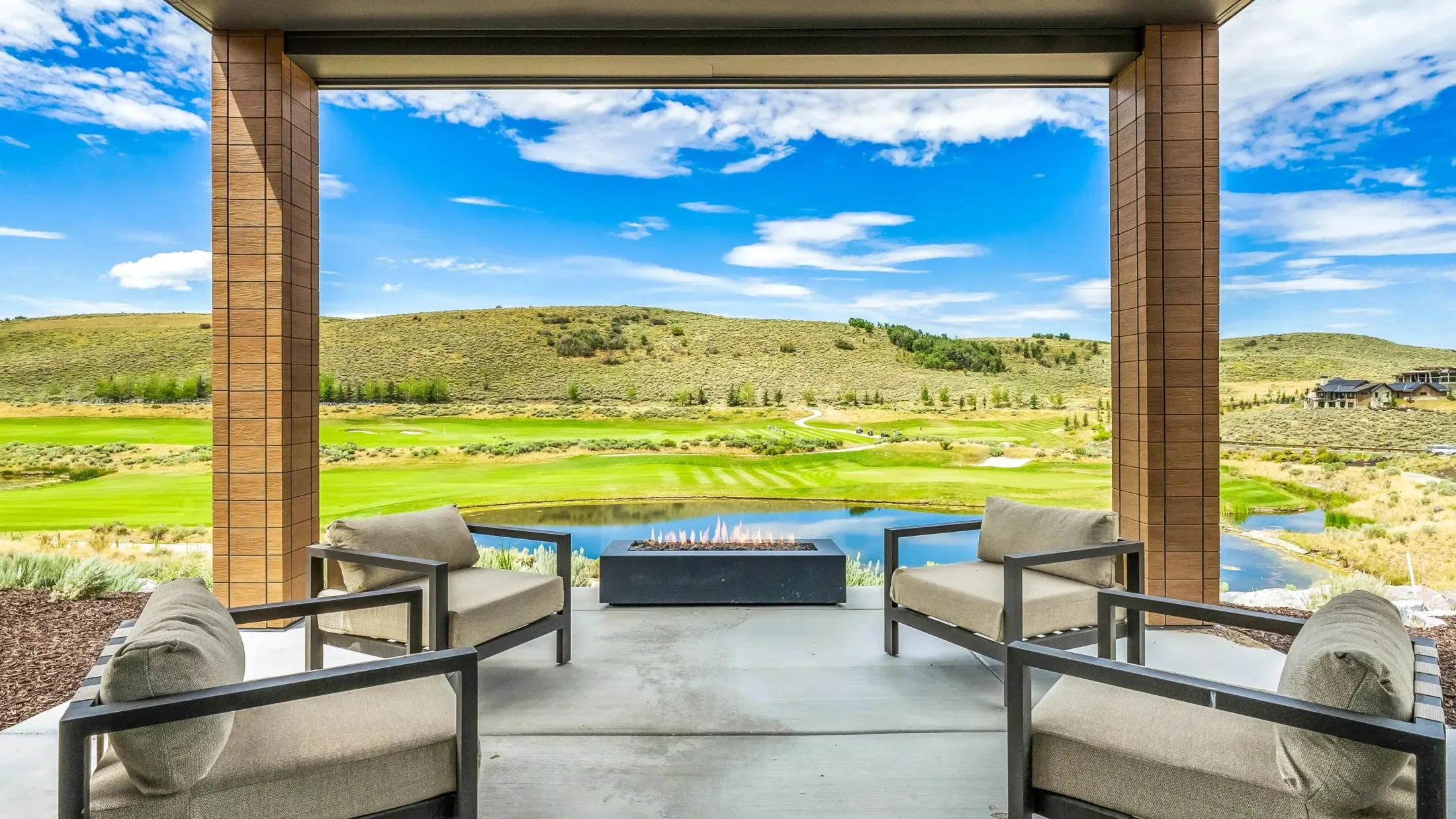
Heber Valley · Wasatch County
Midway Real Estate
Swiss-influenced mountain-valley town with primary homes, second-home properties, and resort-adjacent context.
Midway is a small mountain-valley town in Wasatch County, tucked into the Heber Valley between the Wasatch Range and Deer Creek Reservoir. Originally settled by Swiss immigrants in the 1860s, it retains a distinctive Alpine character — old-town storefronts, the Homestead Crater geothermal spring, and the Soldier Hollow Nordic complex (a 2002 Olympic venue) sit within a few minutes of one another. Midway pairs that historic identity with proximity to Park City's ski resorts and the kind of large-lot residential streets that don't exist closer to Salt Lake City.
Kamee Shrope is a Global Real Estate Advisor with Engel & Völkers Salt Lake City, an Engel & Völkers Private Office advisor, and a REALM member. Review current profile details at https://www.engelvoelkers.com/private-office/en/advisors/kamee-shrope.
Dated Wasatch County and Midway Market Context
Realtor.com reported 741 active Wasatch County listings in August 2026, up 2.4% year over year, with an 81-day median time on market. New listings were down 27.9%, pending listings were down 10.8%, and 15.26% of listings had a price reduction. These are county listing measures, not Midway closed-sale statistics. See the Summit and Wasatch County comparison for the full table, sources, and limits.
Zillow’s city-level modeled typical value for Midway was approximately $939,463 in August 2026, up about 3.7% year over year. ZHVI is not an appraisal or median sale price. The long-run city value study keeps that definition separate from county asking-price data.
Scenic Mountain Valley Living with Character
Local Lifestyle
Midway's everyday rhythm is built around outdoor access. Soldier Hollow — host of the 2002 Olympic biathlon and cross-country events — anchors year-round Nordic skiing, summer tubing, and the Soldier Hollow Classic sheepdog festival. The Wasatch Mountain State Park golf courses and Deer Creek State Park reservoir bracket the valley to the north and south. The Homestead Crater, a 65-foot-deep geothermal spring, draws year-round soaking and scuba.
Old Town Midway — along Main Street between roughly 100 East and 300 West — preserves the original Swiss village pattern with restaurants, the Midway Mercantile, and Tarahumara. Swiss Days, the town's signature event each Labor Day weekend, draws tens of thousands and is a cultural cornerstone.
Property Types
Midway inventory ranges from historic in-town cottages on smaller village lots to substantial mountain estates on multi-acre parcels in the upper valley. Three property profiles dominate. First, primary residences — older Swiss-style homes in Old Town and newer single-family builds across the broader valley. Second, second homes — substantial custom-built properties near the golf, ski, and resort amenities, typically full-time owned but occupied seasonally. Third, resort-adjacent condominiums and townhomes within the Zermatt Resort, Soldier Hollow Crossing, and similar planned communities.
Larger acreage parcels — five to forty acres with horse setups, ranch outbuildings, and view exposures — are still available in the upper valley and are part of what differentiates Midway from Park City proper. Both Old Town and resort-adjacent inventory typically sell faster than the upper-valley acreage tier.
Market Considerations
Midway has a distinct small-town setting within the Heber Valley. Compare specific properties using current records, route conditions, and address-specific market evidence.
The market does not move uniformly. Resort-adjacent condominiums respond to short-term-rental demand and broader Park City pricing; in-town Old Town homes move on a more conventional residential cycle; large-acreage parcels respond to high-net-worth second-home flows and can sit longer when those flows soften. Sequencing — when to list, when to wait — varies by property type.
Primary Homes, Second Homes, and Retreat Properties
Compare services, routes, schools, employment access, and property characteristics for the exact address. Weather and road conditions can materially affect travel.
For second-home buyers, Midway is competitive with Park City's lower-priced submarkets and offers something Park City largely doesn't — meaningful acreage. Buyers looking for horse property, agricultural exemption potential, or a true retreat profile (privacy, distance from neighbors) often find better matches in Midway and the upper Heber Valley than in Park City proper. Short-term-rental rules vary by HOA and zoning — review the specifics before buying for income.
For relocators, the question is usually Midway versus Heber City versus Park City. Each has a different character (Midway: Alpine village; Heber: working town with growth; Park City: full resort). Compare alongside Park City real estate and Heber City real estate, or reach out for a private conversation about which fits.
Common Questions
Midway Real Estate FAQ
- What is Midway, Utah known for?
- Midway is known for its Swiss-influenced Alpine character, the Soldier Hollow Olympic venue, the Homestead Crater geothermal hot spring, Wasatch Mountain State Park, and proximity to Park City's ski resorts. The town's Swiss Days festival each Labor Day weekend draws tens of thousands of visitors and is a cultural fixture.
- How far is Midway from Park City and Salt Lake City?
- Midway is in the Heber Valley. Travel to Park City, Deer Valley, Salt Lake City, and the airport depends on the destination, chosen route, weather, and traffic. Compare the actual route from the property to the resort base or workplace you use, and check UDOT Traffic for current restrictions before traveling.
- Is Midway a good second-home market?
- Midway offers distinct town, resort-adjacent, and acreage settings. Compare current property characteristics, zoning, utilities, and access for the exact address.
- How does Midway compare to Heber City?
- Midway and Heber City are both in the Heber Valley, but Midway is the smaller, more historic Alpine village with a stronger second-home presence and Old Town character. Heber City is the county seat, larger, and growing faster — more full-time residential, more new construction, more services. Midway typically prices higher per square foot in comparable property types.
- How can a buyer evaluate representation?
- Kamee Shrope is a Global Real Estate Advisor with Engel & Völkers Salt Lake City, an Engel & Völkers Private Office advisor, and a REALM member. Review current profile details at https://www.engelvoelkers.com/private-office/en/advisors/kamee-shrope.
Start with a Conversation
Whether you're buying, selling, or exploring a move to Midway, Kamee provides a private, no-pressure conversation about your goals — and a working plan that fits.