Seller Guide · Staging
Home Staging Tips for Utah Sellers
How thoughtful staging shapes buyer perception and final sale price — practical Utah staging guidance for main living areas, bedrooms, bathrooms, and curb appeal.
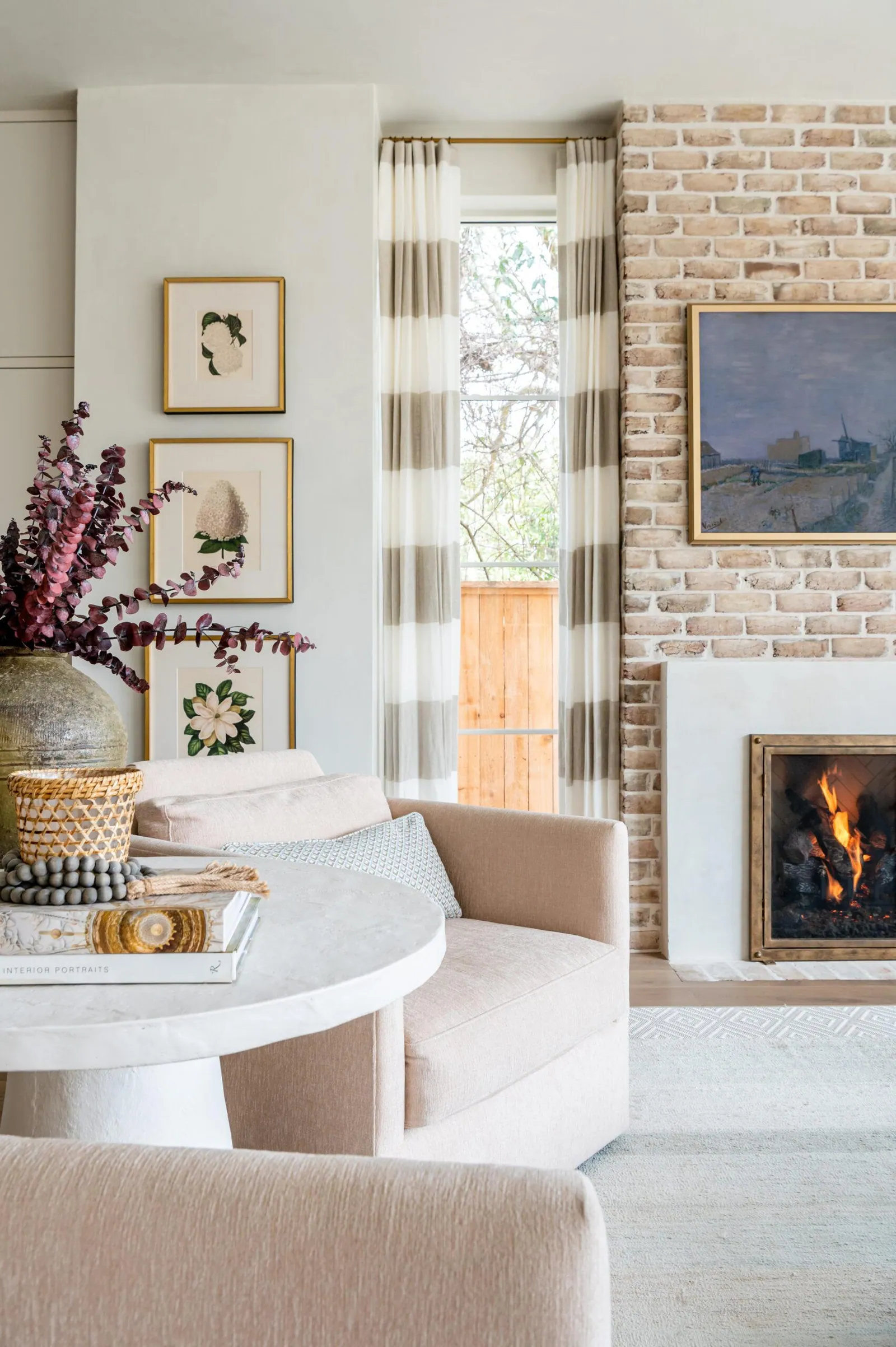
Staging can be a useful preparation investment when it helps a home photograph clearly and lets buyers understand the scale and flow of each room. The value depends on the property, its existing furnishings, the local competition, and the cost of the proposed work. The goal is to remove distraction, emphasize the home's strongest features, and let buyers imagine themselves in the space.
Kamee Shrope, a Global Real Estate Advisor with Engel & Völkers Salt Lake City, includes staging direction as part of every listing engagement. The guidance below covers the practical staging moves that work across most Utah inventory.
Better Presentation Can Influence Buyer Perception
Staging changes the way buyers experience a home. The strongest staging work emphasizes light, flow, and scale — not stylistic taste — and lets buyers project their own life onto the property.
Main Living Areas
Living rooms, kitchens, dining rooms, and family rooms carry the most weight in buyer decisions. Open these spaces by removing approximately one-third of furniture, anchoring with one or two strong focal points (rug, art, light fixture), and arranging seating to support conversation rather than face the TV.
Kitchen counters should be nearly empty — one or two intentional items maximum (stand mixer, cutting board, fresh flowers). Dining tables benefit from light styling: a runner, a centerpiece, place settings for 4-6. Family rooms should read as flexible — capable of supporting how the buyer would use the space.
Bedrooms and Bathrooms
Primary bedrooms should read as sanctuary. Clean bedding (white or neutral), one or two pieces of art, a single bedside arrangement on each nightstand, and clear surfaces. Remove televisions if possible (they read as cluttered to many buyers). Closets should be edited to roughly half capacity so buyers see the actual storage.
Bathrooms benefit from intentional simplicity. Fresh white towels, one styled tray with three or four items (soap, candle, plant), clean grout and caulk, and absolutely no personal items (toothbrushes, prescriptions, hair products). The bathroom should read clean and spa-like, not lived-in.
Curb Appeal and First Impressions
First impressions form in the first 8-15 seconds of approach. Strong Utah curb appeal includes manicured landscaping, fresh mulch in beds, a clean and welcoming front door (often freshly painted), a styled entry (welcome mat, planter, lighting), and exterior surfaces in good condition (power-washed siding, clean windows, repaired gutters).
Entry interiors should support the curb-appeal impression. Clear the entry surface, anchor with a console or bench and one piece of art or mirror, and ensure the sight line from the front door into the rest of the home is clean and inviting. The opening 30 seconds of a showing shapes the entire visit.
Focus on Simplicity, Light, and Flow
The three principles that drive most staging decisions: simplicity (less furniture, fewer items, cleaner surfaces), light (open shades, fresh bulbs, consistent color temperature), and flow (clear pathways, conversational arrangement, easy navigation). These choices can make a home easier to photograph and evaluate; they do not guarantee a sale price or timeline.
Style and color preferences are personal; staging should be near-neutral. Heavy color, distinctive patterns, and strong stylistic statements often work against the listing by making it harder for buyers to imagine themselves in the space.
Discuss specifics in a private intake conversation, or see How to Prepare Your Home for the full preparation framework.
Common Questions
Home Staging FAQ
- Is home staging worth it in Utah?
- It can be, particularly where the property needs help showing room scale, flow, or a clear intended use. Compare the proposed scope and cost with the home's condition, likely buyer expectations, and the listing strategy. Staging does not guarantee a price or a faster sale.
- How much does professional staging cost in Utah?
- Costs vary by property size, furnishings, scope, term, and the staging provider. Request a written proposal that separates consultation, furniture rental, delivery, installation, and any extension costs before deciding.
- Should I stage just the main rooms or the whole house?
- Start with the rooms that shape the first showing impression: living areas, kitchen, primary bedroom, primary bathroom, and entry. The right scope depends on the property's condition, available furnishings, budget, and listing plan.
- Can I stage my own home in Utah?
- Yes. Start with decluttering, removal of personal items, neutral presentation, light styling, and thorough cleaning. A consultation can help you decide which changes are worth making before photos and showings.
- Does Kamee help with staging?
- Yes — staging direction is part of every Kamee listing engagement, with vetted local staging partners across the Salt Lake and Park City markets. The staging work is coordinated with photography, marketing launch, and the broader curated marketing sequence. See the curated strategy.
Private Consultation
Start with a Conversation
Whether you’re buying, selling, relocating, or investing in Utah, Kamee offers a private, no-pressure conversation about your goals — and a working plan that fits.